
Exhaust
Kitchen and Wall Exhaust Installation in Hamilton
An exhaust fan or hood sends cooking smoke, grease-laden air, odour and moisture outside through a duct. We install and replace range hoods, condo microwave exhaust, side-wall vents and bathroom fans in homes, and kitchen exhaust fans and make-up air for light commercial kitchens.
- HomesRange hoods and wall vents
- CondosMicrowave exhaust
- Light commercialKitchen fans and make-up air
 Based in Hamilton, serving Hamilton and the GTA
Scope
What an exhaust installation covers
- A look at the room, the appliance and the path the duct can take to the outside
- A range hood or over-the-range microwave fitted to the cabinets and the wall, level and secure
- The duct sealed at every joint, supported along its length and kept as short and straight as the space allows
- A wall cap with a damper outside, or a roof cap where the duct goes up, so outdoor air does not blow back in when the fan is off
- The opening in the outside wall or roof sealed around the duct
- In a condo: a check with the building on what can change, before any work starts
- For light commercial kitchens: exhaust fans, ducts, wall caps, roof curbs and make-up air units installed or replaced
- A run test: we check that air leaves at the outside cap and that the damper opens and closes
- A walk-through of the controls and how the grease filters come out for cleaning
Process
From the first look to air leaving outside
Every job starts with a conversation and a look at the equipment. You see the options in plain language before anything is booked.
- 1
Look at the space
We look at the cooktop or the room, the cabinets, the outside wall or roof, and any old duct. In a condo we ask about the building rules first, since the building may limit what can change.
- 2
Choose the hood or fan
The choice follows the cooking, the room and the duct run. A long run with bends asks more of a fan than a short straight one. We explain the choice in plain words and write the model in the quote.
- 3
Run the duct to the outside
We reuse a sound opening or make a new one, run the duct, seal every joint and fit the wall cap or roof cap with its damper. The opening is sealed so rain and outdoor air stay out.
- 4
Connect the control
A like-for-like hood or fan goes back on its existing connection. Where new wiring or a new switch is needed, that part is done by a Licensed Electrical Contractor (ESA), with permits and ESA notification where required.
- 5
Test and hand over
We run the fan at each speed, check the air at the outside cap and make sure the damper closes when the fan stops. You see how the controls work and how the filters come out for cleaning.
In pictures
What this work looks like
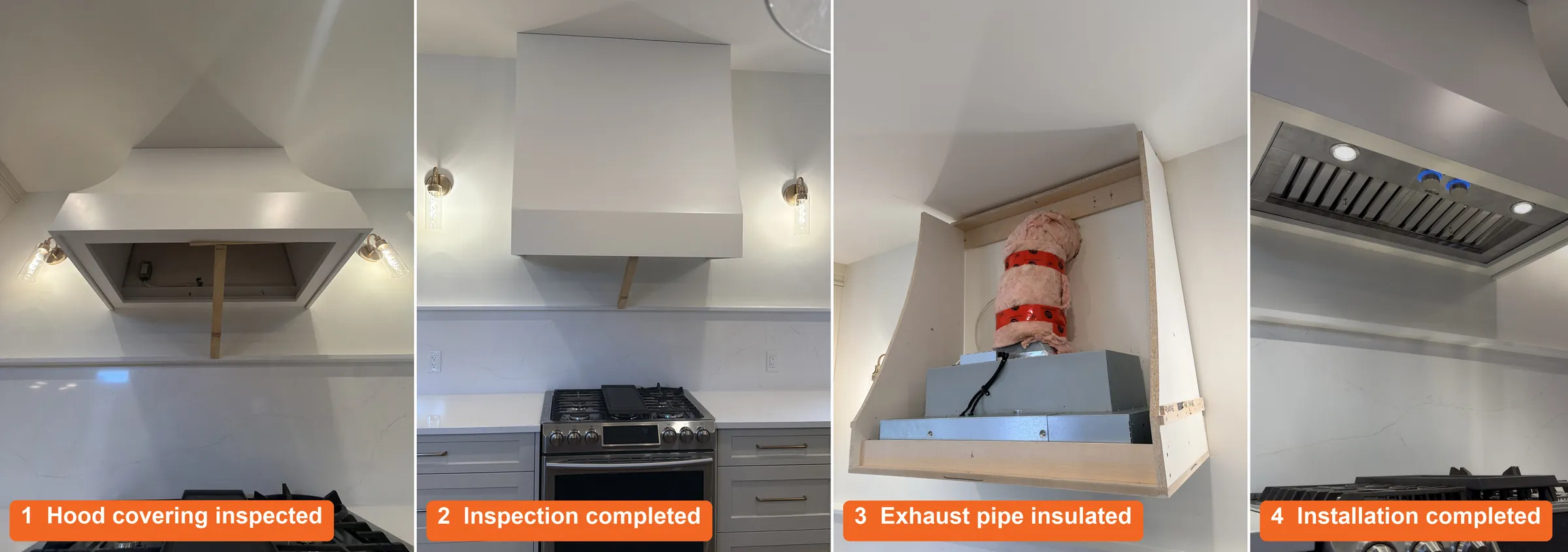 Kelvin job photo
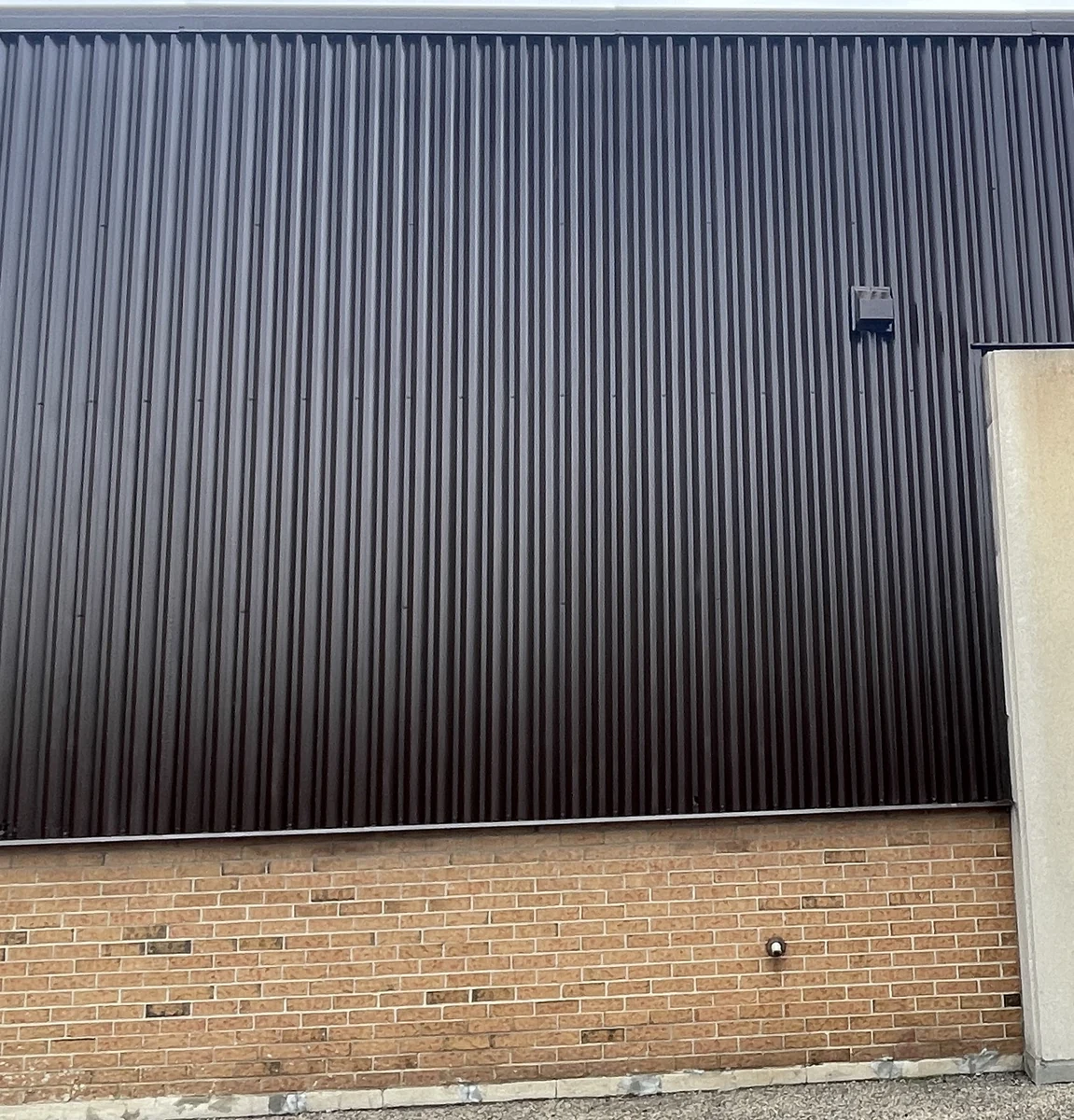 Kelvin job photo
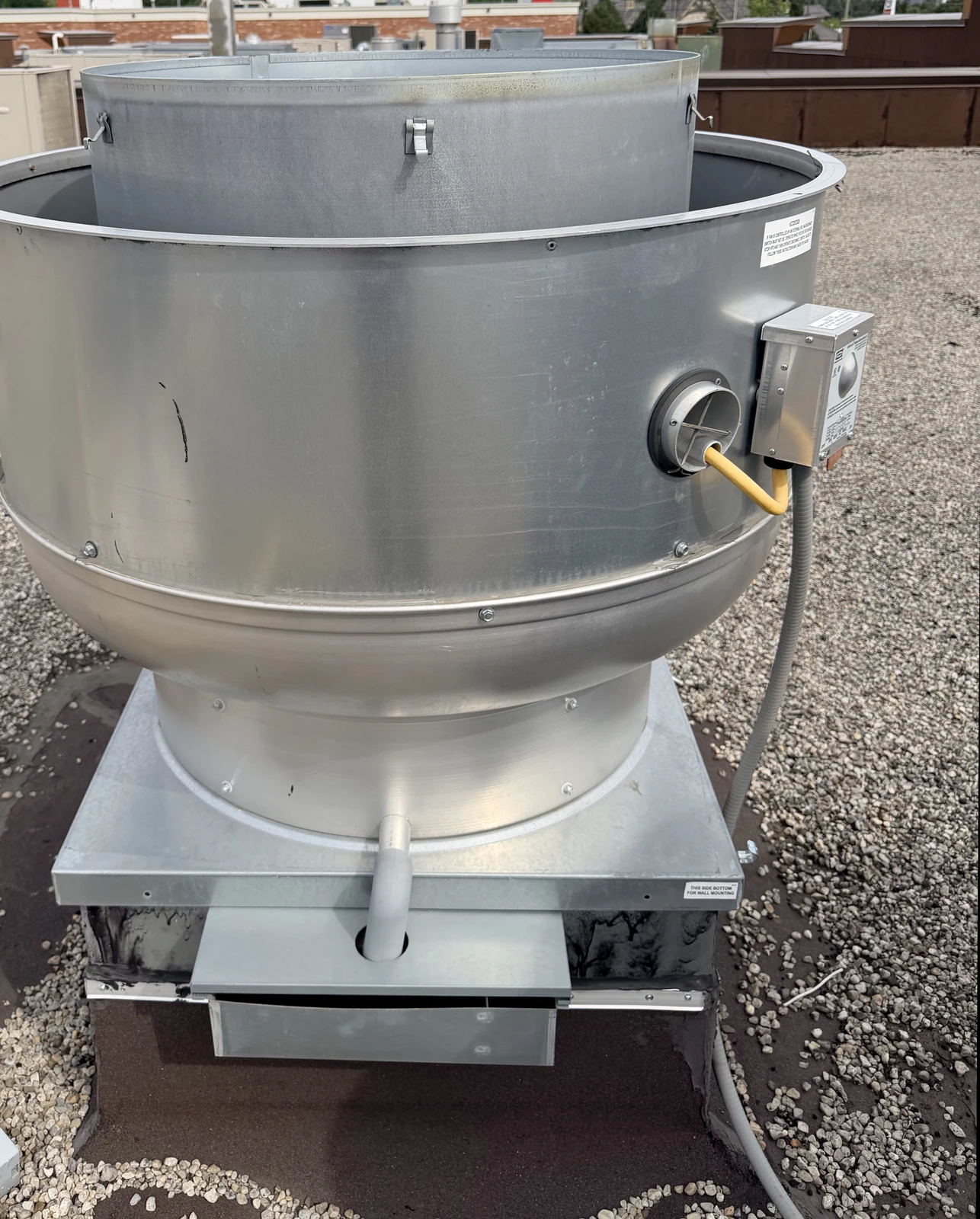 Kelvin job photo
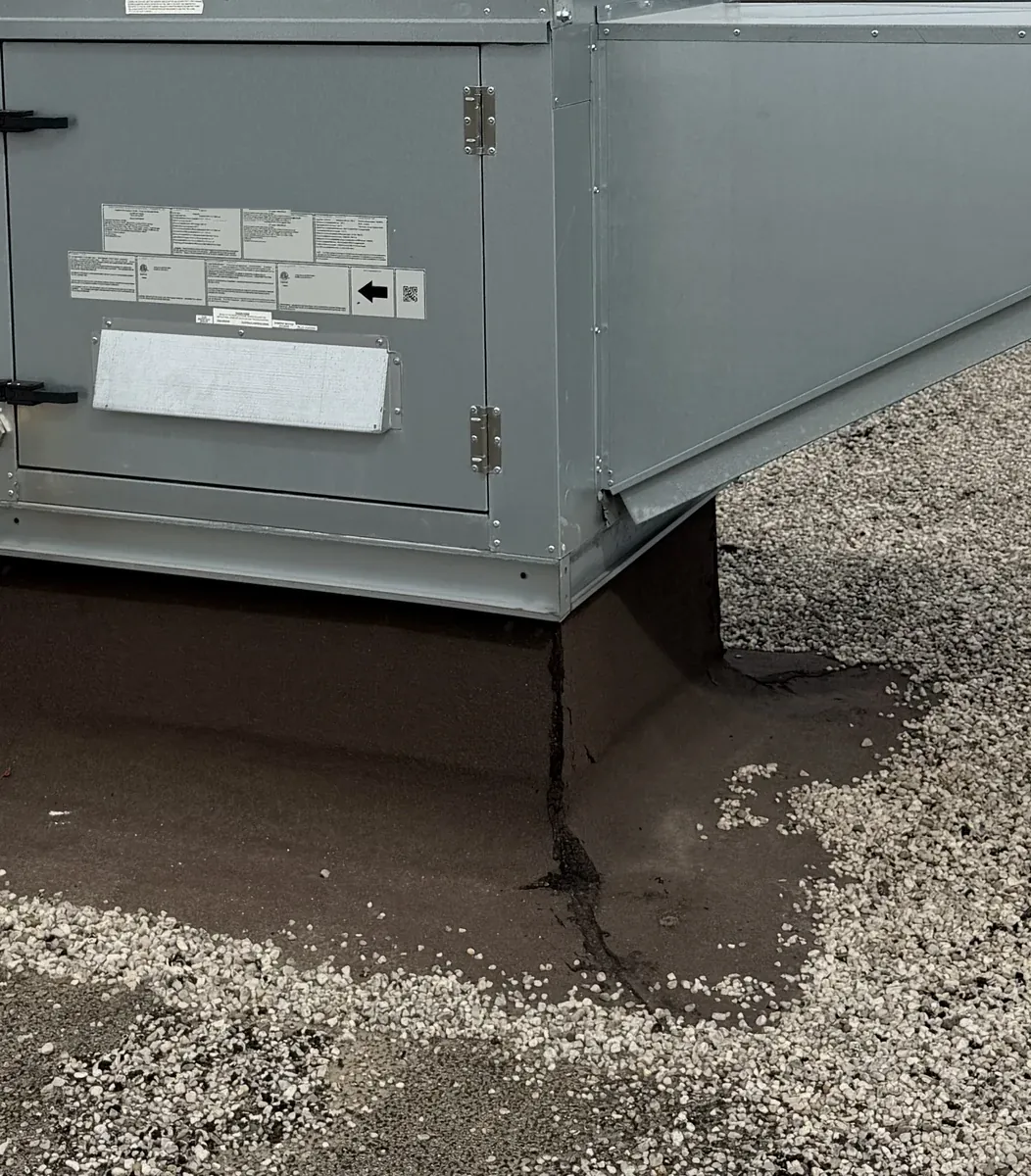 Kelvin job photo
Photos from Kelvin Mechanical jobs in the GTA and nearby Ontario.
Good to know
Exhaust in plain words
Ducted range hood or recirculating
A ducted range hood sends cooking smoke, grease-laden air, odour and moisture outside. A recirculating hood pulls the air through a filter and blows it back into the kitchen. It catches some grease and odour, but the heat and the moisture stay in the room. Where a duct to the outside is possible, we recommend a ducted hood.
Over-the-range microwave in a condo
Many condo kitchens have a microwave above the range with a fan built in. Some send the air into a duct to the outside. Others only filter it and blow it back into the kitchen. A new unit has to match the cabinet space and the duct connection. The building may have rules on what can change, so we check with the building first.
Side-wall exhaust
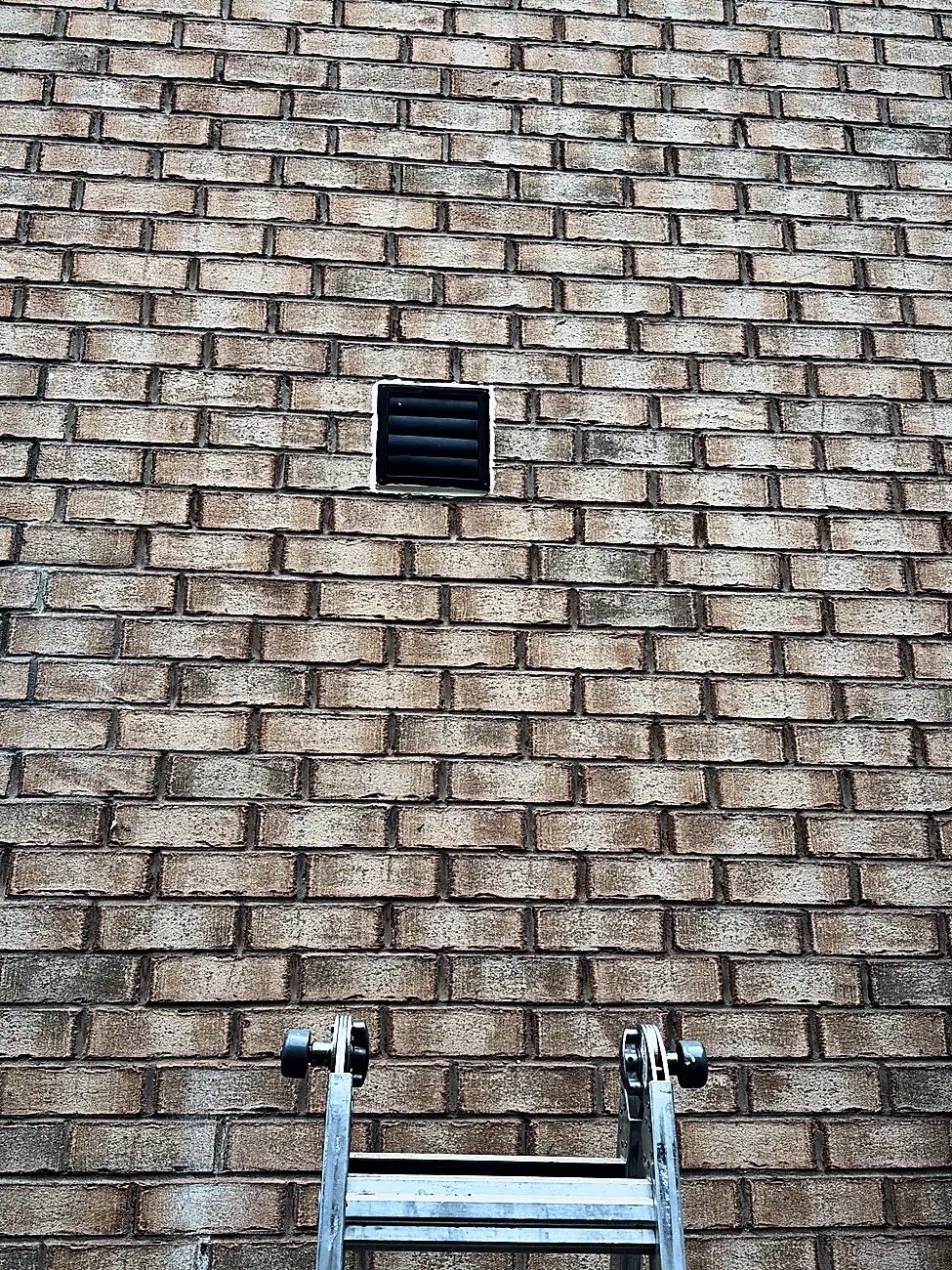
Where there is no easy way up through the roof, the duct can go straight out through an outside wall. This is called side-wall or direct wall discharge. The duct ends at a wall cap with a damper that opens when the fan runs and closes when it stops. We place the cap away from windows, doors and fresh-air intakes so the exhaust does not come back in, at the clearances the code and the manufacturer require.
Bathroom exhaust
A bathroom fan clears shower moisture and odour from one room and sends it outside through its own duct. See bathroom exhaust fan installation.
Air that leaves has to come back
A fan that sends air out of a building pulls the same amount of air in from somewhere else. In a tight house, a strong hood can struggle to move air unless air can get back in. We look at this at the visit and tell you if it applies to your home.
Light commercial kitchens
In a restaurant kitchen, an exhaust fan on the roof or the wall pulls the air from the hood out of the building. A make-up air unit brings outdoor air back in to replace it. We install and replace exhaust fans, ducts, wall caps, roof curbs and rooftop make-up air units. Gas connections on make-up air units are done by TSSA-licensed gas technicians. See kitchen ventilation support and make-up air units.
Code and permits for commercial work
Commercial cooking exhaust has its own code and permit rules, separate from the rules for a home kitchen. We check the permit and code requirements for each job and tell you what applies to yours. Hood and grease duct cleaning and fire suppression systems are not part of our work; they are done by specialist companies.
Replacing an old fan or hood
A hood or fan that is loud, rattles or no longer moves much air is often worth replacing. We check the old duct first. If it is sound, sealed and ends outside, we reuse it. If it is crushed, loose or ends inside a wall or ceiling, we fix it so the new fan can do its work.
What it does not do
An exhaust fan moves air out of one space while it runs. It does not heat, cool or filter the air of the whole house, and it does not replace an HRV or ERV. For fresh air in the whole house, see HRV and ERV installation.
A fair picture of what you get
An exhaust fan or hood moves cooking smoke, grease-laden air, odour and moisture outside while it runs. It does not clean grease off the cabinets, and it only works well when the duct is sound and the filters are kept clean. We make no health claims. The price depends on the hood or fan, the duct run and the access, so a written quote follows a look at the space. Start with Build My Quote.
Help centre
Questions about Kitchen and wall exhaust
Is a ducted range hood better than a recirculating one?
A ducted hood sends the air outside, with its heat and moisture. A recirculating hood catches some grease and odour and returns the air to the kitchen. Where a duct to the outside is possible, a ducted hood does more.
Can you replace the microwave exhaust in my condo?
Often yes. The new unit has to fit the same cabinet space and duct connection. Building rules may limit what can change, so we check with the building before we book the work.
What is side-wall exhaust?
The duct runs straight out through an outside wall instead of up through the roof. It ends at a wall cap with a damper that closes when the fan is off.
Why does the outside cap need a damper?
The damper opens when the fan pushes air out and closes when it stops. That keeps cold outdoor air and wind from coming back in through the duct.
Do I need make-up air for my range hood?
It depends on the hood and the house. A tight house can struggle to supply the air a strong hood sends out. We look at the hood and the house at the visit and tell you if it applies.
Do you do restaurant kitchen exhaust?
We install and replace kitchen exhaust fans, ducts, wall caps, roof curbs and rooftop make-up air units for light commercial kitchens. Commercial cooking exhaust has its own code and permit rules, and we check the permit and code requirements for each job.
Where we do this work
Kitchen and wall exhaust in Toronto, the GTA, Hamilton and Niagara
Hamilton Stoney Creek Burlington St. Catharines Niagara Falls Brantford Oakville Mississauga Etobicoke Toronto Scarborough Brampton All service areas
Quote and booking
Request: Kitchen and wall exhaust
Share a few details and we will follow up. A written quote comes after a site review. There is no online checkout.
- City and service type help us route your request
- Urgency and property details let us prepare properly
- Optional equipment photos speed up repairs and replacements
Prefer to talk? +1 905-407-7353
Gas smell or carbon monoxide alarm? Leave the building and call 911 first. Do not use this form.