
Kitchen ventilation
Kitchen Exhaust Fan and Make-Up Air Support for Commercial Cooking Spaces
Service and replacement of kitchen exhaust fans, drives and motors, with make-up air interlocks and airflow checks, coordinated with the trades that handle hoods and fire suppression.
- ScopeInstall, repair and maintain fans
- EquipmentExhaust fans, drives, MUA interlocks
- CoordinationHood and suppression trades
 Serving the GTA and nearby Ontario
Scope
Exhaust fan and interlock work, item by item
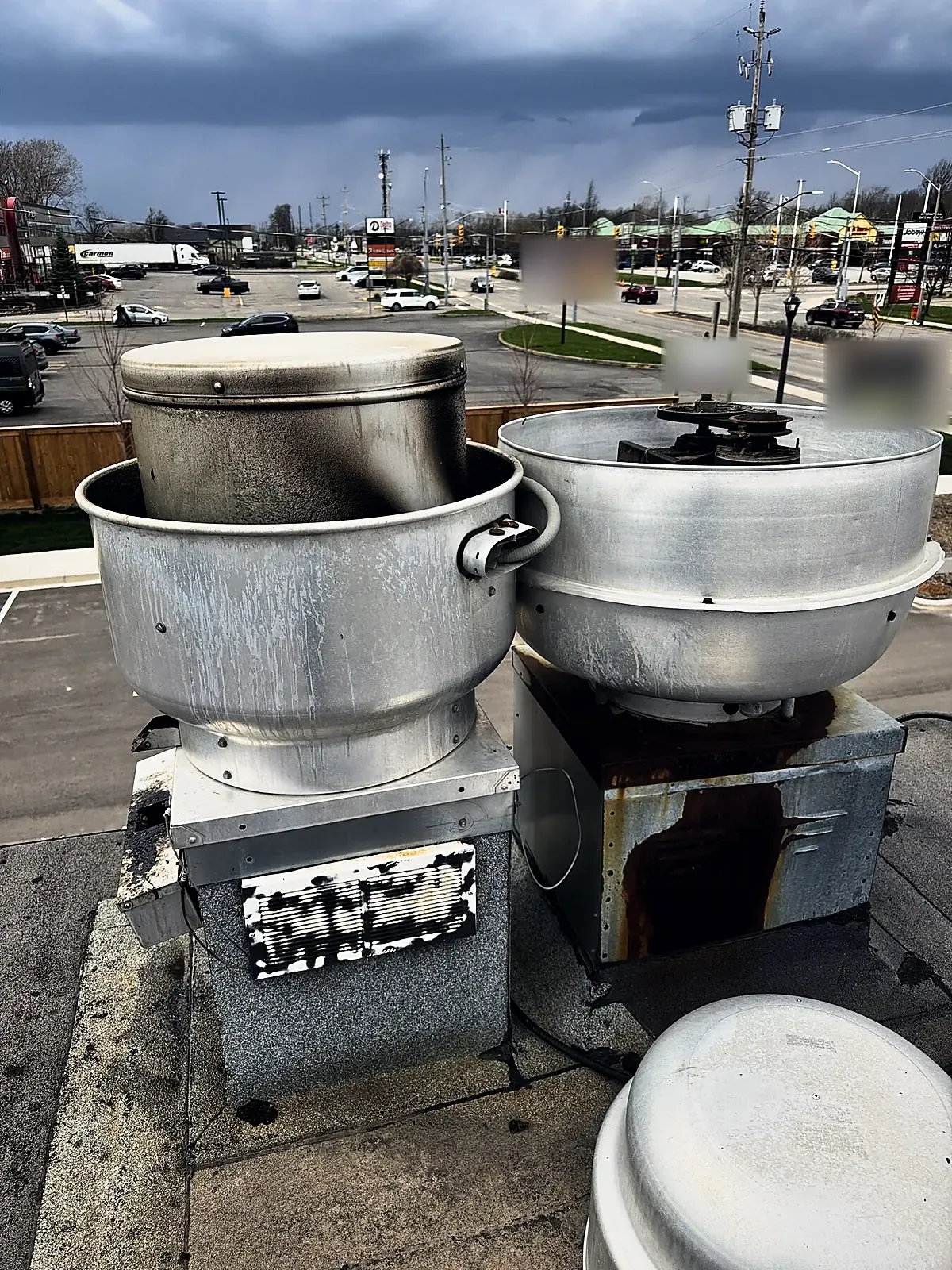
- Rooftop and wall exhaust fan service: belts, sheaves, bearings, motors and wheel condition
- Fan replacement sized to the hood's rated airflow and duct static pressure
- Hood-to-duct interface checks: collars, access panels and dampers, without altering the hood
- Make-up air interlock testing so supply starts with the exhaust
- Airflow checks at the fan and the hood, compared with the values on the hood label
- Grease containment and drain condition noted on rooftop fans and passed to your cleaning contractor
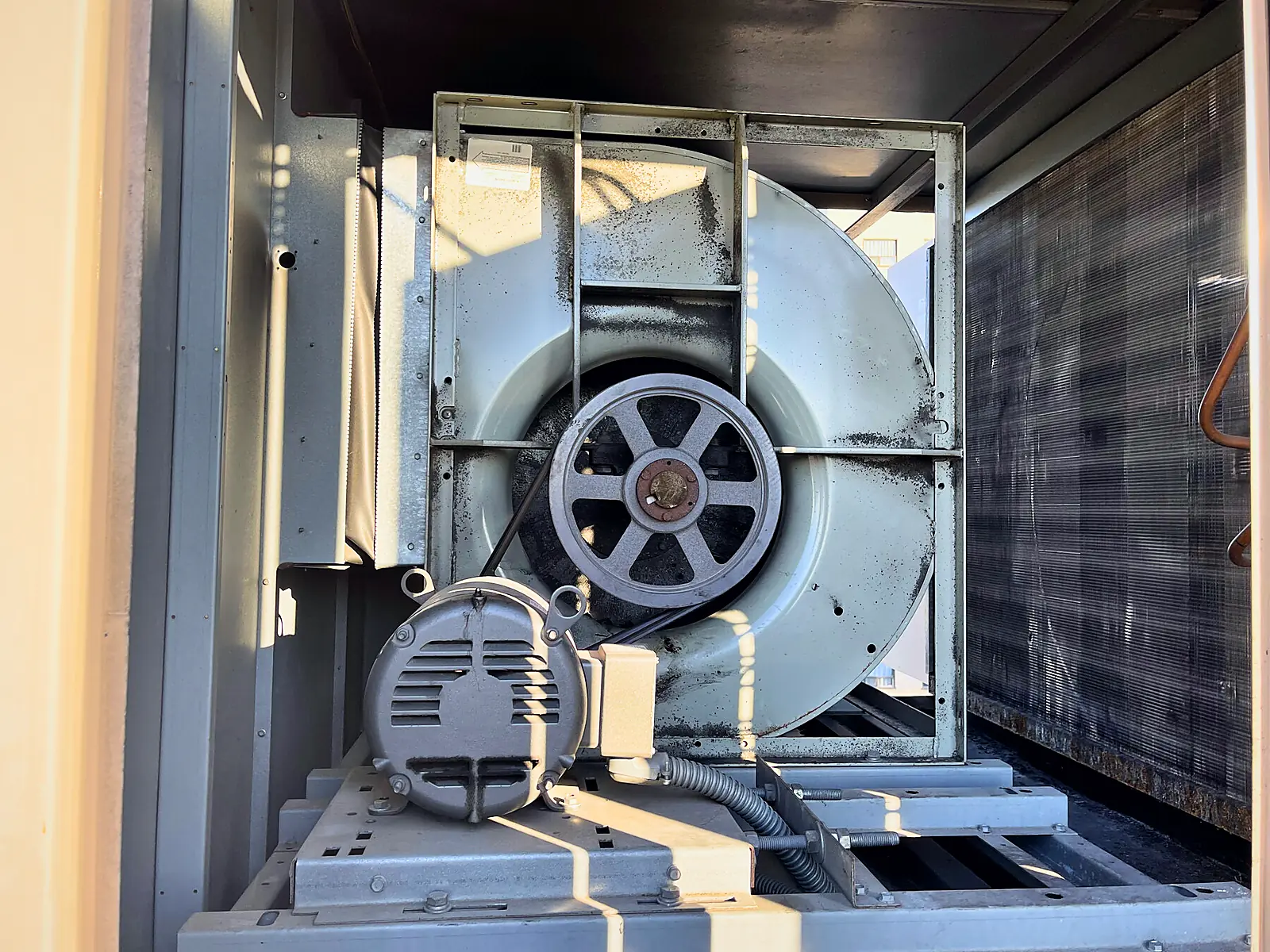
- Motor amp draw, voltage and rotation checks, with disconnect and wiring condition noted
- Written service note listing readings and anything for your hood or suppression contractor
Process
A kitchen exhaust visit, step by step
Every job starts with a conversation and a look at the equipment. You see the options in plain language before anything is booked.
- 1
Read the hood label and fan nameplate
The hood label lists the rated exhaust airflow, and the fan nameplate lists motor size and voltage. These are the reference points for every reading that follows.
- 2
Lock out and inspect the fan
With power isolated, we inspect the wheel, shaft, bearings, belts and sheaves, check hinges and access, and note grease buildup. Heavy buildup is reported to your hood-cleaning contractor, because cleaning is not our scope.
- 3
Run it and take readings
Under power, we check rotation, vibration, noise, motor amp draw and airflow against the ratings. A worn belt or wrong rotation shows up quickly at this stage.
- 4
Test the make-up air interlock
We start the exhaust and confirm the make-up air unit starts with it, then stop it and confirm the supply follows. Failures are repaired or documented for the right trade.
- 5
Report and hand off
The service note lists readings, parts replaced and items for specialists. If a fire-suppression or hood-cleaning question comes up, it is passed to your contractor for those systems.
In pictures
What this work looks like
 Kelvin job photo
 Kelvin job photo
 Kelvin job photo
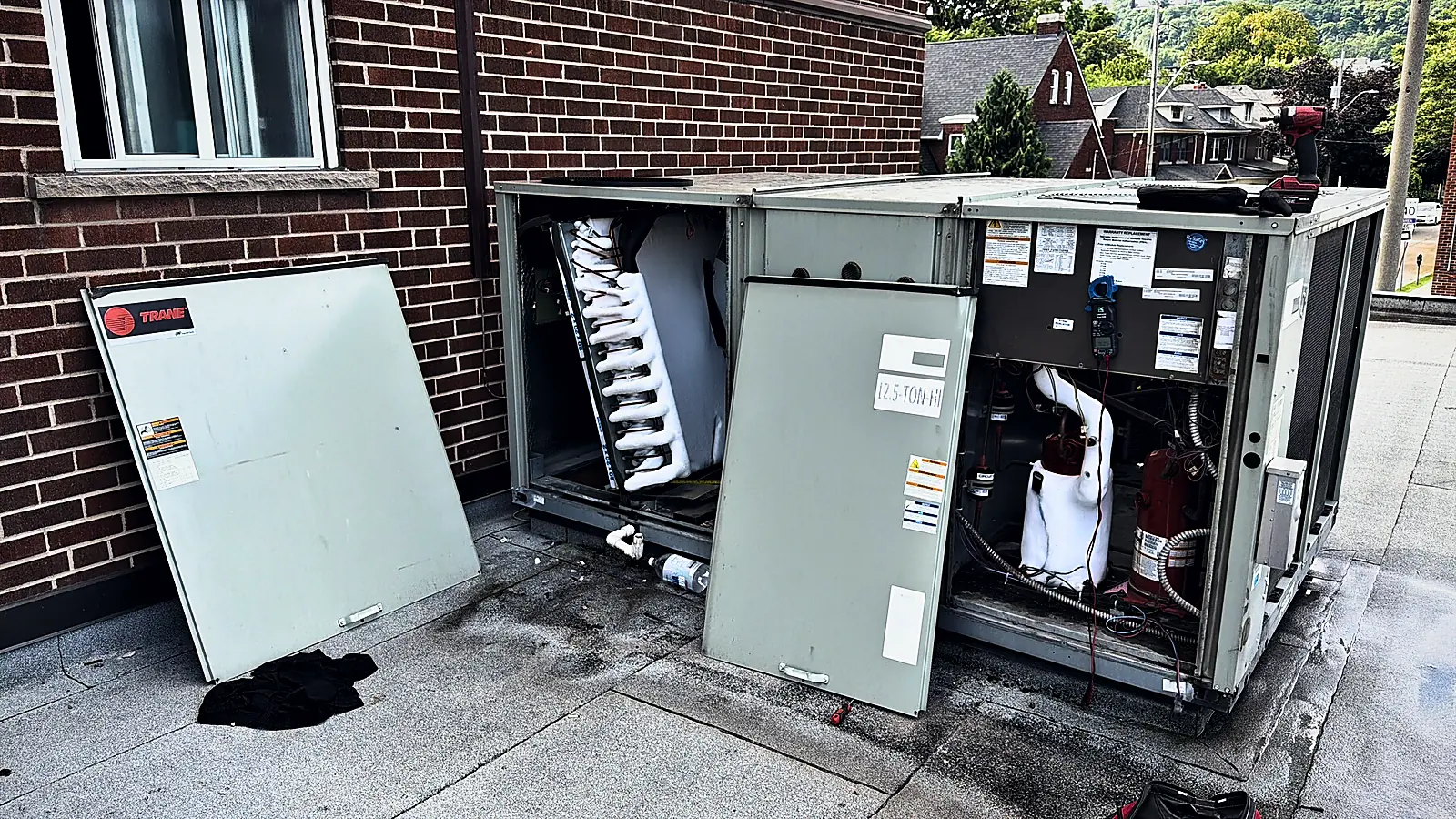
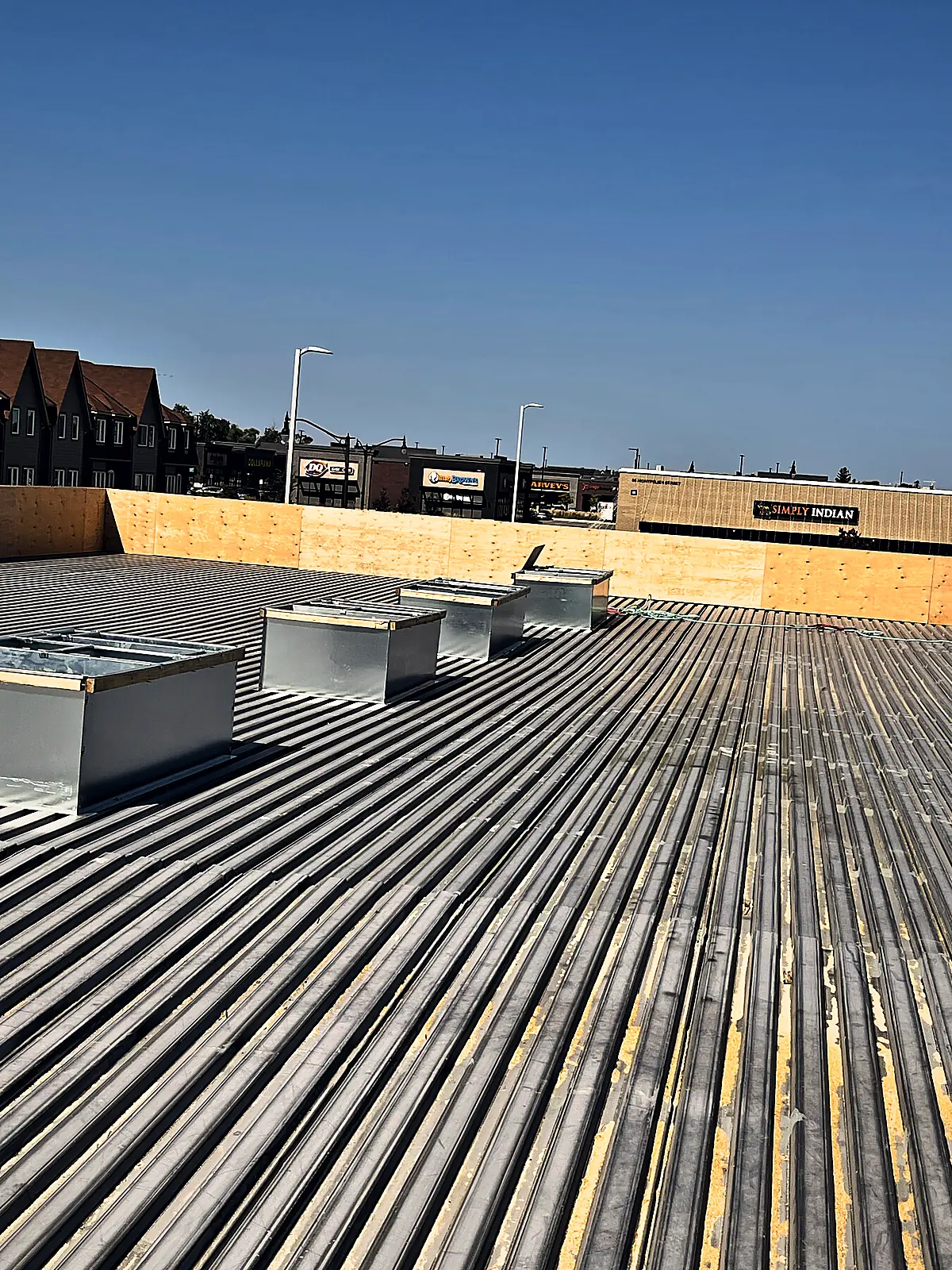
Photos from Kelvin Mechanical jobs in the GTA and nearby Ontario.
Good to know
Fan and hood symptoms worth a call
Smoke or heat escaping the hood
Poor capture can come from a slipping belt, wrong fan rotation, a restricted duct or a make-up air shortfall. We check the fan and the supply side first and flag duct cleaning to your contractor if buildup is visible.
Fan noise and vibration
Worn bearings, an out-of-balance wheel, loose set screws or a misaligned belt cause rumble, squeal or shake. Left alone, they shorten motor and belt life.
Belt dust and short belt life
A fine black dust under the fan means misalignment, wrong tension or a worn sheave. Replacing the belt alone does not fix it.
Kitchen odours in the dining room
Odours move toward lower pressure. If the dining room sits negative to the kitchen, the exhaust and make-up air balance needs attention. See also restaurant HVAC.
Install, repair, maintain
Installation: fans matched to the hood
Replacement fans are selected from the hood's rated airflow and the duct's resistance, then connected to power and the make-up air interlock. Hood and duct modifications stay with the appropriate specialist.
Repair: belts, bearings, motors and wiring
Most fan calls trace to the drive, the motor or a tripped overload. We test before replacing parts and give written options.
Maintenance: drives and interlocks on schedule
Planned visits cover belt tension, bearings, amp draw and interlock operation. Findings go to you in writing, with anything for the hood or suppression trades listed separately.
What this page does not include
We do not install, test or service fire-suppression systems, and we do not clean hoods or ducts. Those jobs belong to specialist trades. We coordinate with them, and our service notes make it clear which part of the system we worked on.
Ontario notes
Kitchen exhaust notes for Ontario roofs, winters and leases
Fire code and who handles what
Kitchen exhaust, hoods and suppression systems are covered by fire code and insurer requirements. Hood cleaning and suppression testing belong to specialist trades. We work on the fan, drive, motor and make-up air interlock, coordinate access and make our service notes clear about what we touched.
Winter on the roof
Snow and ice make roof fans harder to reach and service. A hinged fan base can be difficult to tilt in winter weather. Fall is a sensible time to check belts, bearings and access so winter calls are less likely. Never go onto an icy roof. Plan access ahead of time.
Cold make-up air and kitchen balance
When Ontario winter air is very cold, a kitchen exhaust fan with no make-up air can pull it in through doors and gaps. A working, tempered make-up air supply keeps the kitchen from becoming a cold, drafty space. We test the interlock and the discharge temperature each fall.
Lease, landlord and roof rules
Roof access, new fan openings and curb changes often need landlord approval. In many Ontario plazas the roof is shared, and other tenants' exhaust may sit nearby. Raise the plan with your property manager before a fan is ordered, and we will note what was agreed.
Help centre
Questions about Kitchen Ventilation Support
Do you clean hoods and ducts?
No. Hood-and-duct cleaning is a specialist trade. We can report visible grease buildup at the fan and coordinate access with your cleaning contractor.
Who tests the fire-suppression system?
A specialist suppression contractor, on the schedule your insurer and the fire code require. We do not install, test or service those systems. We can coordinate timing when fan work affects their access.
Can you replace an exhaust fan with the same size?
Often, but we check the hood's rated airflow, duct resistance, motor voltage and curb or mounting before ordering. A like-for-like model may no longer be available, so matching the performance is the goal.
What happens if the make-up air fails and the exhaust keeps running?
The building goes under negative pressure, hood capture can weaken, doors become hard to open and gas appliances may draft poorly. That is why the interlock is tested at each visit, and why the make-up air units page matters here.
How do you check airflow?
We take readings at the fan and at the hood and compare them with the rated values. When a formal test-and-balance report is needed, we will say so and may suggest a specialist contractor.
How often should a commercial kitchen exhaust fan be serviced?
It depends on cooking volume, the type of cooking and the fan drive. Belts, bearings and motor draw are usually checked on a seasonal rhythm, and more often in heavy grease-producing kitchens. Hood and duct cleaning is a separate schedule handled by a specialist. We set the fan visit schedule after seeing the equipment.
Why is my kitchen exhaust fan so loud?
Noise often comes from worn bearings, a loose or worn belt, an out-of-balance wheel or loose set screws. Left alone, it can shorten belt and motor life. A visit checks the drive, the wheel and the mounting, and reports any grease buildup to your cleaning contractor. Call +1 905-407-7353 or send a request.
Why is grease dripping from my rooftop exhaust fan?
Grease collects at the fan base and drain, and a full or blocked containment can overflow onto the roof. That can stain or damage roofing. We note the condition and pass it to your cleaning contractor and landlord. Roof repairs stay with your roofer, and we coordinate timing so the work does not collide.
What is an upblast exhaust fan?
An upblast fan is a roof-mounted fan that discharges kitchen exhaust upward, away from the roof surface. It is common on restaurant hoods. Many have a hinge kit so the fan can be tilted for cleaning and service. We check the drive, motor and wheel, and refer duct and hood cleaning to the specialist trades.
Why is the hood not capturing smoke even though the fan is running?
Poor capture can come from a slipping belt, wrong rotation, a restricted duct, a closed damper or not enough make-up air. We check the fan and the supply side first and record the readings. If grease buildup is visible, it is passed to your hood-cleaning contractor. Hood design questions stay with a hood specialist.
Who is responsible for kitchen exhaust equipment in a leased restaurant?
It depends on the lease. The roof fan may belong to the landlord or the tenant, and responsibility for repair and cleaning can differ. Check the lease and ask your property manager before ordering work. We can document the fan's condition so the right party can approve the repair.
How do I know if an exhaust fan belt needs replacing?
Signs include squealing at start-up, fine black dust under the fan, belts that look glazed or cracked and weaker hood capture. A belt replaced without checking the sheave and alignment may wear out quickly again. We check tension, alignment and sheave wear together and record the belt size.
Can a small takeout kitchen use the same exhaust setup as a full restaurant?
Not always. The setup depends on the cooking equipment, the amount of grease produced, the hood type and the code that applies. Designers and local authorities decide what a given kitchen needs. We service and replace the fans and the make-up air side, and we suggest a designer when the requirements are unclear.
Where we do this work
Kitchen Ventilation Support in Toronto, the GTA and Hamilton
Toronto Mississauga Brampton Vaughan Markham Oakville Burlington Hamilton All service areas
Quote and booking
Request: Kitchen Ventilation Support
Share a few details and we will follow up. A written quote comes after a site review. There is no online checkout.
- City and service type help us route your request
- Urgency and property details let us prepare properly
- Optional equipment photos speed up repairs and replacements
Prefer to talk? +1 905-407-7353
Gas smell or carbon monoxide alarm? Leave the building and call 911 first. Do not use this form.