
Symptom-based repair
Furnace Repair in Toronto, the GTA and Hamilton for No-Heat, Short-Cycling and Ignition Faults
Furnace not heating, clicking or shutting off after a few seconds? We trace the symptom to the failed part, explain the repair and retest safe operation. Emergency service is subject to availability.
- ScopeGas furnace diagnosis and repair
- Urgent callsEmergency service is subject to availability
- Diagnostic feeMay apply; confirmed at booking
 Serving the GTA and nearby Ontario
Scope
Furnace faults we diagnose most often
- No heat or weak heat, including tripped limit switches and restricted airflow
- Short cycling from dirty filters, poor flame sensing, venting issues or oversizing
- Ignition failure: hot surface igniter, gas valve, control board and wiring
- Pressure switch faults, cracked hoses and condensate trap blockages
- Inducer motor problems: noise, bearing wear, slow start or no start
- Blower motor, capacitor or ECM module issues and weak airflow
- Dirty or failing flame sensor causing shutdowns a few seconds after ignition
- Thermostat faults, low-voltage wiring and blocked venting or intake pipes
Process
How a furnace repair visit unfolds
Every job starts with a conversation and a look at the equipment. You see the options in plain language before anything is booked.
- 1
Start with the symptom
Tell us what the furnace does: no start, clicking, runs a minute and quits, or blows cool air. That pattern points to the likely fault before a panel is opened.
- 2
Safety first, then test
The technician checks for gas odour and venting problems, then watches the full start-up sequence: inducer, pressure switch, igniter, gas valve, flame signal and blower. Fault codes on the control board are read and noted.
- 3
Explain before repairing
You hear which part failed, why, and what the options are, with the price before approved work begins. Nothing is replaced without your approval. A diagnostic fee may apply; confirmed at booking.
- 4
Repair and retest
After the repair the furnace runs through complete heating cycles. We confirm ignition, flame signal, temperature rise, airflow and safety controls, and we clean up the area we worked in.
- 5
Repair or replace, honestly
A one-off fault on a healthy furnace is usually worth fixing. Repeated failures, heat exchanger concerns or a large repair on an older unit may point toward furnace replacement.
In pictures
What this work looks like
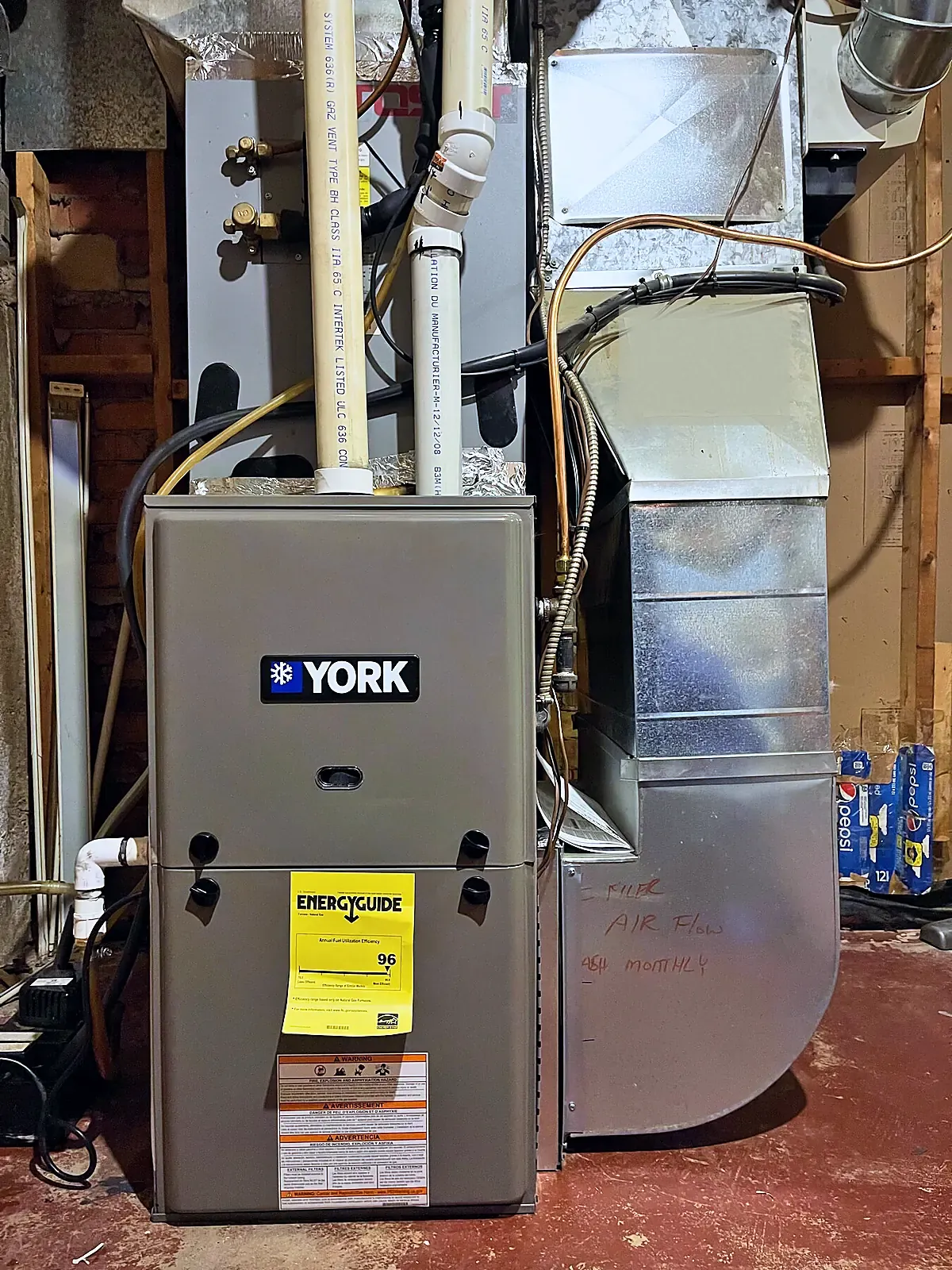
 Kelvin job photo
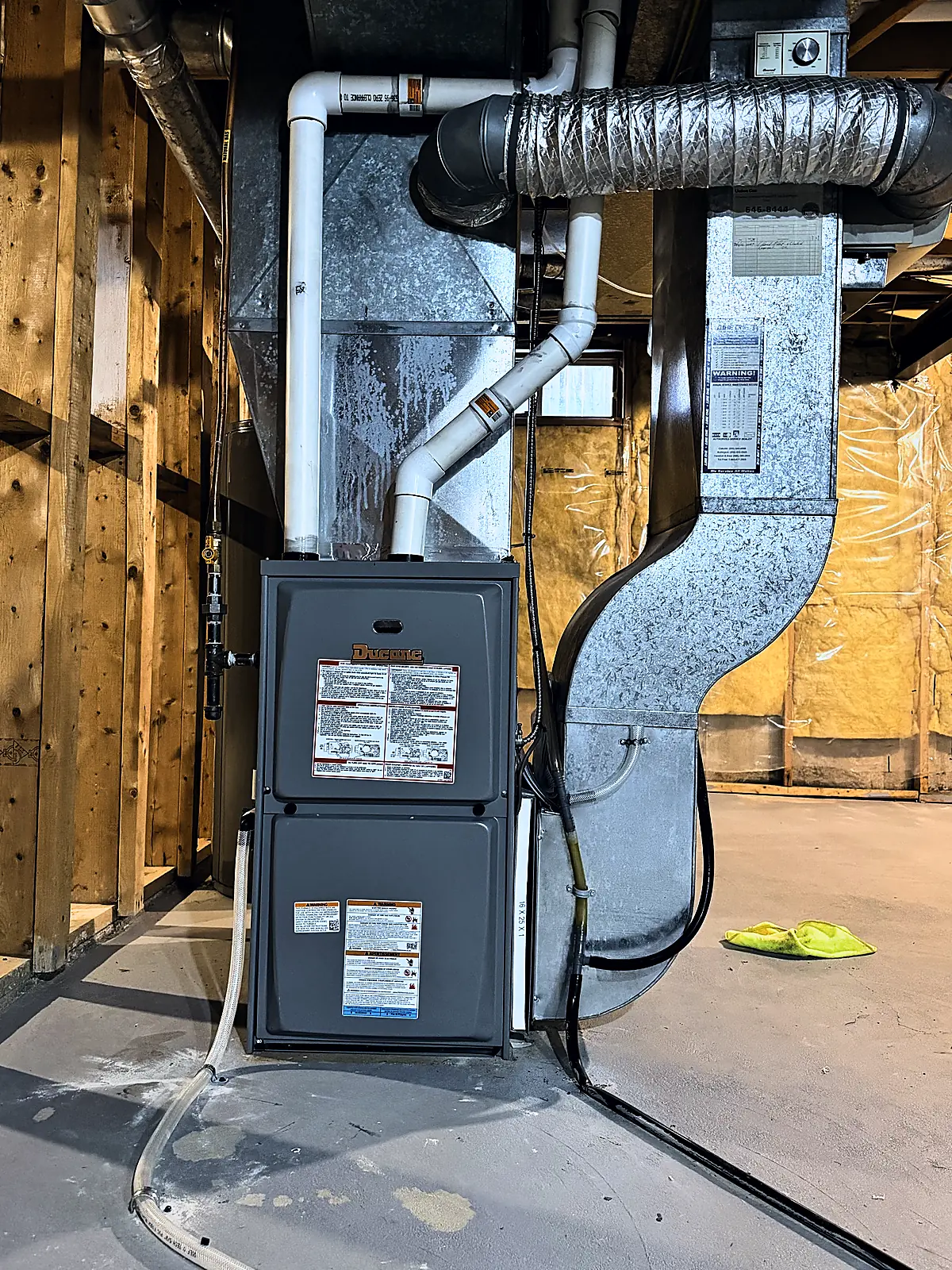
 Kelvin job photo
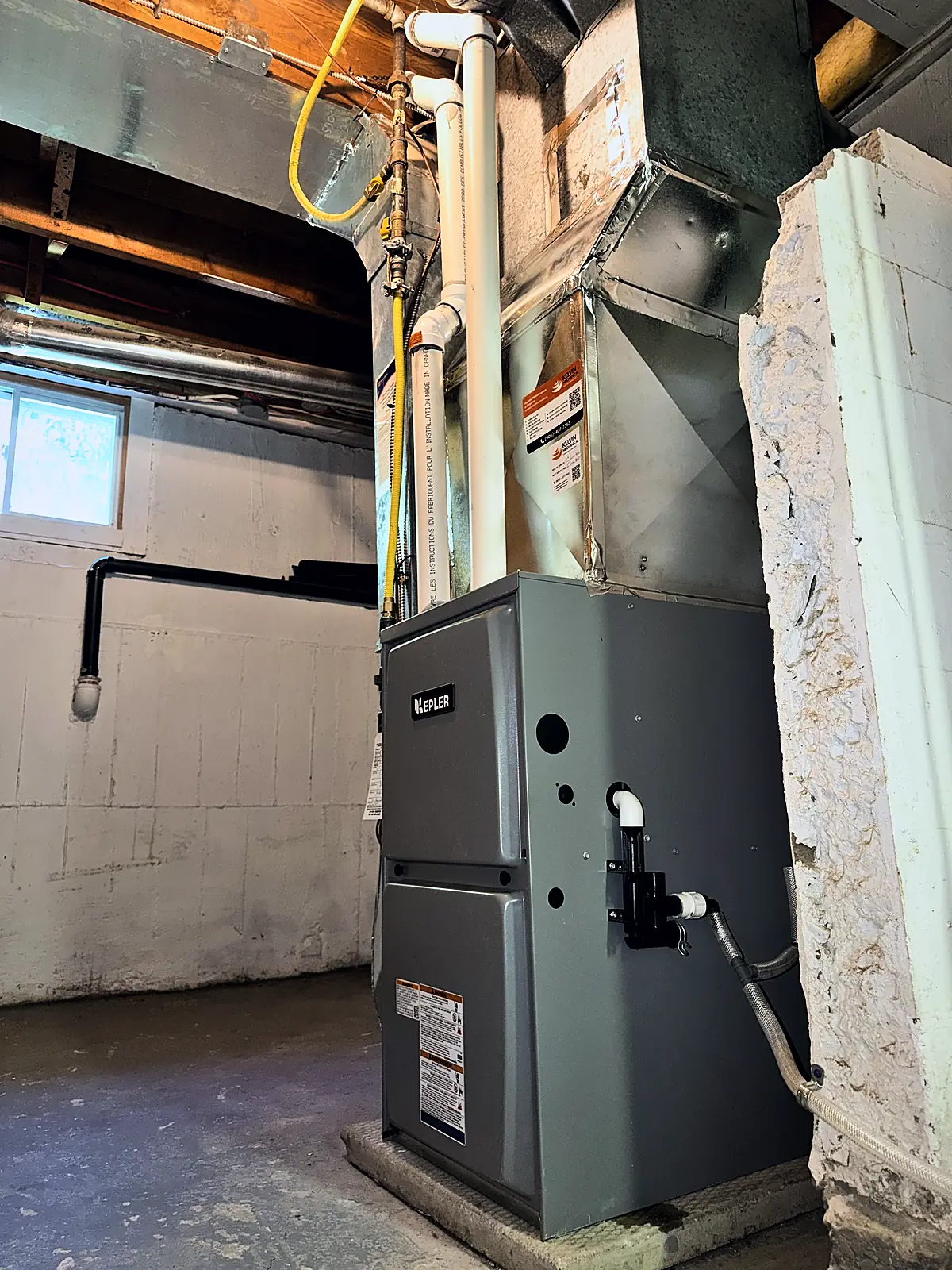
 Kelvin job photo
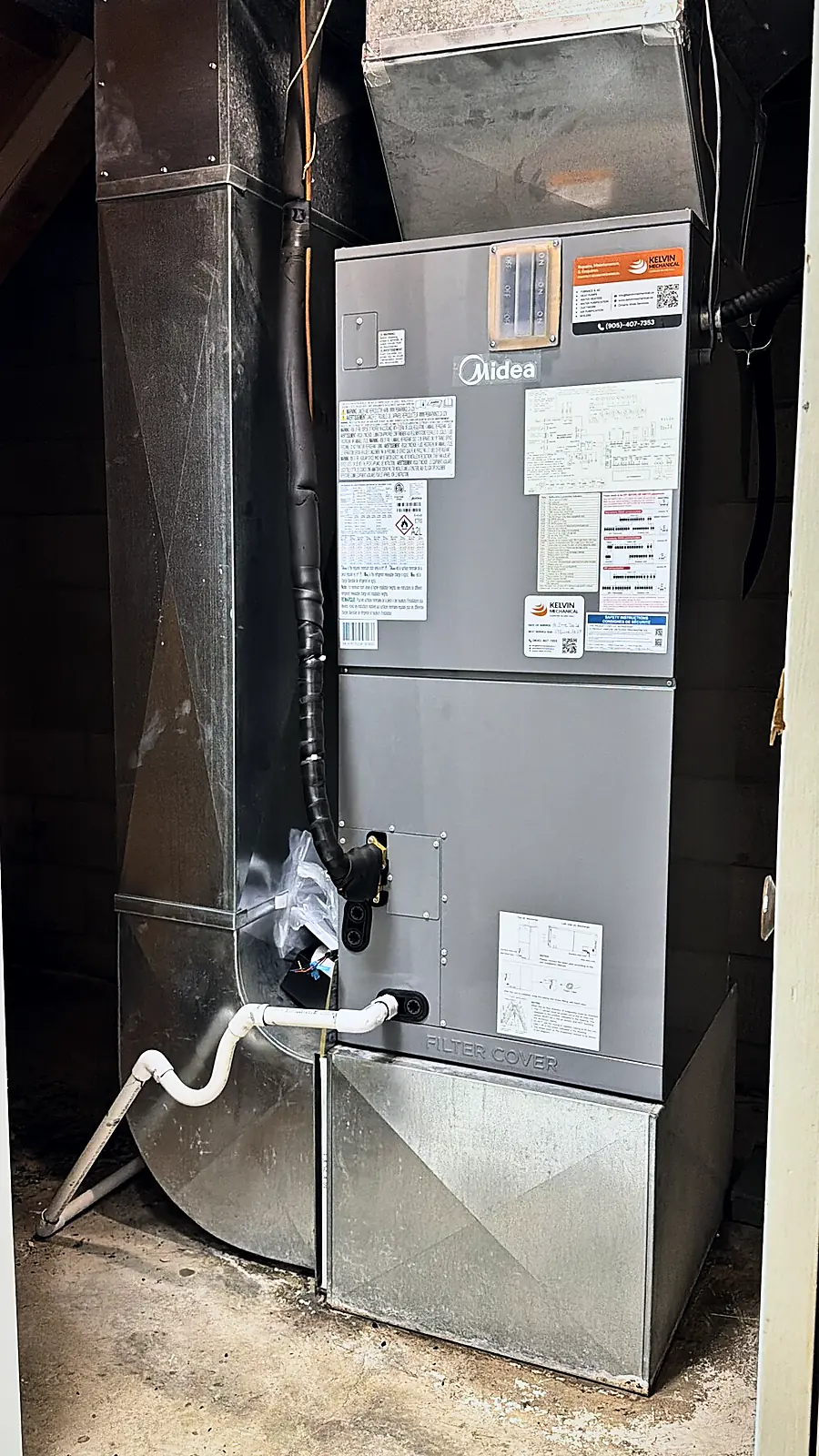
Photos from Kelvin Mechanical jobs in the GTA and nearby Ontario.
Good to know
Reading furnace symptoms: what each one usually points to
Won't start or won't stay lit
A failed igniter, dirty flame sensor, gas valve or control board fault can look identical from the thermostat. If the burners light and shut off within seconds, a coated flame sensor is a common cause.
Pressure switch and inducer faults
The inducer must prove airflow through the vent before gas is allowed to flow. A blocked condensate trap, cracked hose, damaged vent or weak inducer motor can leave the pressure switch open.
Short cycling and limit trips
Dirty filters, closed registers and restricted returns overheat the heat exchanger and trip the limit switch. Fixing the airflow problem matters more than resetting the switch.
Blower, thermostat and venting
A failed capacitor, worn blower motor, dead thermostat batteries or a loose low-voltage wire can leave rooms cold with the furnace running. Snow, ice or a nest over the intake and exhaust can also shut down a high-efficiency furnace.
Smell gas or hear a CO alarm?
Leave the home first, then call 911 and your gas utility from outside. Do not restart the furnace. A carbon monoxide alarm does not detect a natural gas leak, so a gas smell needs the same response even when no alarm sounds. For ordinary no-heat calls, safe checks are the thermostat mode and batteries, a clean filter, the furnace service switch and the breaker. Do not open furnace panels yourself. Yearly furnace maintenance catches many of these faults before a cold night.
Ontario notes
Furnace repair in Ontario: seasonal and safety notes
Cold snaps and call volume
Furnaces fail most often when they run hardest, in the deepest cold. Demand rises sharply at those times, so response options narrow. Early signs such as odd noises, longer run times or a flickering igniter are worth a call before the next cold snap. Emergency service is subject to availability.
Snow and ice on vent pipes
High-efficiency furnaces vent through plastic pipes at the side or roof of the house. Snow drifts, ice build-up or frost from the exhaust can block the intake or exhaust and shut the furnace down. Clear the area carefully after storms. If the furnace still locks out, a technician checks the venting and condensate.
Rented furnaces and landlord responsibility
Many Ontario homes have rented furnaces and water heaters, and the rental agreement may control who can repair them. Check your paperwork before booking work. In rental housing, landlords have heat obligations, and many municipalities have heat bylaws. Tell the landlord or property manager early so the repair is not delayed.
Gas parts and regulated work
Replacing a gas valve or working on gas piping is regulated work in Ontario. Kelvin Mechanical works with licensed and qualified professionals and trade partners, depending on the project scope. We explain what the repair involves, whether a permit applies in your municipality, and what is tested before the furnace goes back into service.
Equipment we install and service

Brand names and logos belong to their owners. Availability depends on the product line and region.
Help centre
Questions about Furnace Repair
When should I call for furnace repair?
Call when there is no heat, the furnace short cycles, you hear banging or grinding, or it shuts off repeatedly. A minor fault can turn into a full outage in cold weather, so do not wait it out. If you smell gas, leave first and call 911 and your gas utility.
Do you offer emergency furnace repair?
Emergency service is subject to availability. Call +1 905-407-7353 and we will tell you the soonest option we can offer. We do not promise a response time, because weather and call volume change it. See emergency heating and cooling for what to check first.
What does a furnace diagnostic cost?
A diagnostic fee may apply; confirmed at booking. Repair pricing depends on the fault, the part and the furnace model, and you hear it before approved work starts.
Should I repair or replace my furnace?
Isolated failures on an otherwise healthy furnace are usually worth repairing. Repeated major faults, heat exchanger concerns or a costly repair on an older unit may favour replacement. We lay out both paths, and you can start a Build My Quote request if replacement makes sense.
How long does a furnace repair take?
Simple repairs with the part on hand can be quick. Special-order parts, vent repairs or hard-to-reach components may need a second visit. Your technician explains the likely timeline after diagnosis.
Why is my furnace blowing cold air?
Common causes include a thermostat fan set to on, a dirty flame sensor that shuts the burners off after a few seconds, a tripped limit switch from a clogged filter, an ignition fault, or a blocked intake or exhaust pipe outside. Check that the thermostat is on auto and the filter is clean. If it continues, call +1 905-407-7353 and do not open panels.
Why does my furnace keep shutting off after a few minutes?
Short cycling usually points to restricted airflow, a dirty flame sensor, a blocked condensate trap, or outdoor vent pipes blocked by snow or ice. Replace a dirty filter and clear snow from the intake and exhaust pipes if you can do so safely. If it keeps happening, a technician reads the control board codes and tests the safeties.
My furnace is banging or squealing. Is that dangerous?
Different sounds mean different things. A bang at ignition can mean dirty burners, squealing often points to blower or inducer motor bearings, and rattling can be loose panels or ducts. Banging at start-up deserves a prompt visit. If you smell gas or a CO alarm sounds, leave and call 911. Otherwise turn the furnace off and call us.
What do the blinking lights on my furnace mean?
Most furnaces flash a code through a small window on the control board. The pattern points to a fault family, such as an open pressure switch, ignition failure or a limit trip, and the meaning differs by make and model. Note the pattern or take a photo and tell us when you call. A code narrows the search, and we confirm the exact part by testing.
Is a burning smell normal when I first turn on the furnace in fall?
A light, dusty smell for a short time after months off is common, because dust on the burners and heat exchanger burns off. It should fade quickly. A smell of gas, a smell that lingers, or a hot plastic or electrical odour is not normal. Turn the furnace off and call us. If you smell gas, leave the home and call 911.
Is a no-heat call urgent, or can I wait?
It depends on the outdoor temperature, who lives in the home and whether there is any safety concern. Households with infants, older adults or health conditions should treat no heat in an Ontario winter as urgent. Run the safe checks, keep warm in one room and call +1 905-407-7353. Emergency service is subject to availability.
I rent my home in Ontario. Who arranges furnace repair?
In most rentals the landlord is responsible for providing heat and maintaining the furnace, but your lease and who owns the equipment matter. Tell your landlord or property manager first. If a rental company owns the furnace, it may have to do the work. Property managers can see property management HVAC.
Can I repair or install a furnace myself in Ontario?
Installing or servicing a gas furnace or any other fuel-burning appliance is regulated work in Ontario. Only a registered fuels contractor and a technician holding the required certificate may do it. Homeowners can safely change a filter or check the thermostat, but gas, venting and combustion work should be left to a registered contractor.
Do you repair all furnace makes and models?
Tell us the make, model and age when you book. A technician confirms whether parts and procedures apply to your equipment and explains the options before any work starts. If the model is old or parts are hard to source, we say so plainly and talk through the repair-or-replace choice with you.
Where we do this work
Furnace Repair in Toronto, the GTA and Hamilton
Furnace repair in Toronto Furnace repair in Mississauga Furnace repair in Brampton Furnace repair in Vaughan Furnace repair in Markham Furnace repair in Oakville Furnace repair in Burlington Furnace repair in Hamilton All service areas Heating and cooling services
Quick checks before you call
Quote and booking
Request: Furnace Repair
Share a few details and we will follow up. A written quote comes after a site review. There is no online checkout.
- City and service type help us route your request
- Urgency and property details let us prepare properly
- Optional equipment photos speed up repairs and replacements
Prefer to talk? +1 905-407-7353
Gas smell or carbon monoxide alarm? Leave the building and call 911 first. Do not use this form.