
Serving the GTA and nearby Ontario info@kelvinmechanical.ca +1 905-407-7353

Make-up air units (MUA)

Make-Up Air Unit Start-Up, Service and Replacement for Kitchens, Shops and Garages

Start-up, service and replacement of direct-fired and indirect-fired make-up air units, with exhaust interlocks and airflow balance checked before you rely on them.

  • ScopeStart-up, service and replacement
  • TypesDirect-fired and indirect-fired
  • Typical useKitchens, shops and garages
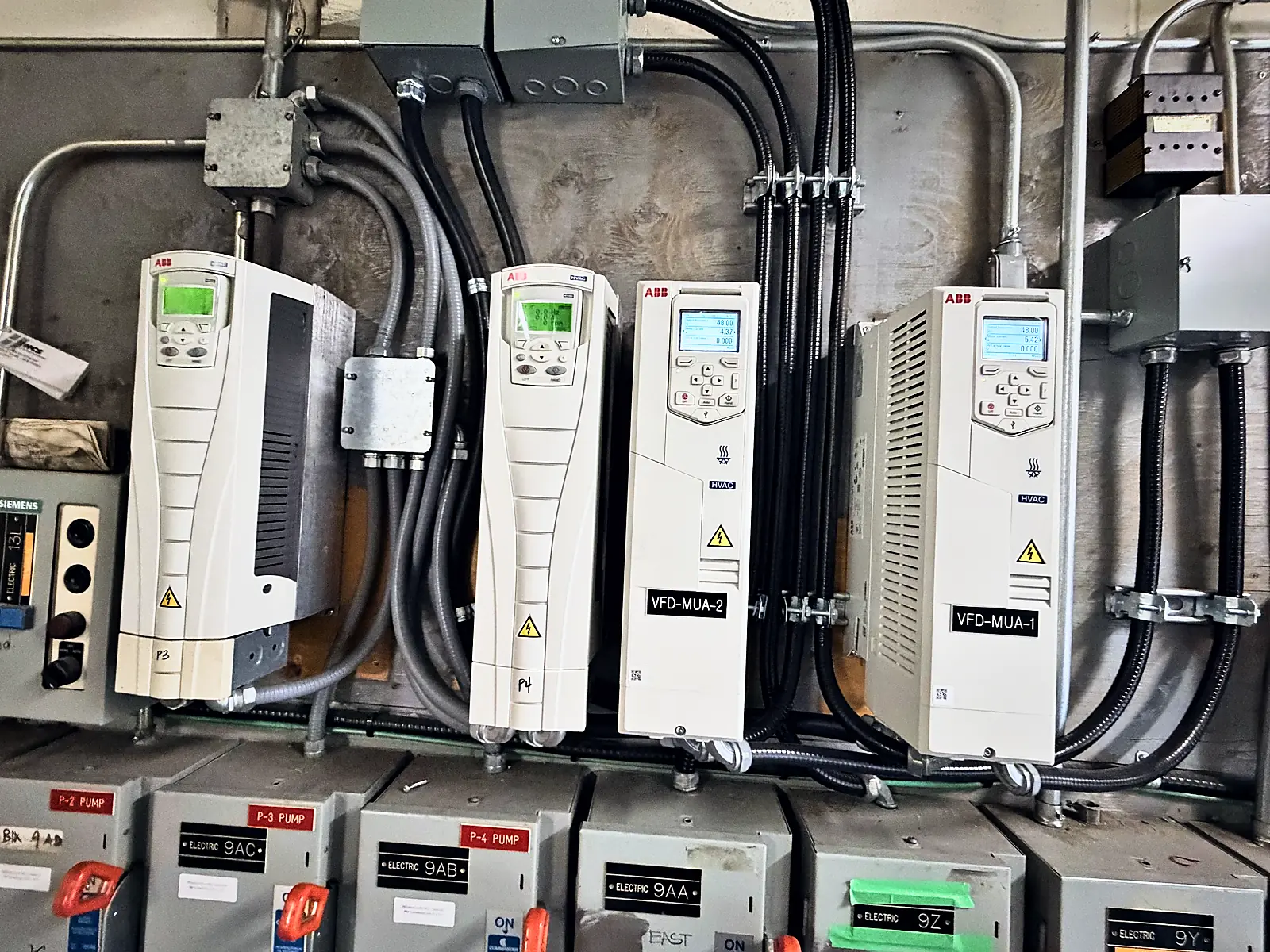
Variable-speed drives labelled for make-up air units on a mechanical room wallServing the GTA and nearby Ontario

Scope

Make-up air work we take on

  • MUA start-up: gas train, burner ignition, airflow proving and discharge air temperature control
  • Direct-fired versus indirect-fired selection, with code and manufacturer limits explained
  • Interlock checks so the MUA runs with the exhaust fan or hood and stops when it stops
  • Filter replacement, filter rack fit, and blower, belt and motor service
  • Burner, gas valve, flame sensor, high-limit and freeze protection checks
  • Intake hood, damper and screen condition, including snow and debris entry
  • Airflow measurement and balancing against the exhaust the unit replaces
  • Replacement of aging units, including curb or wall-mount rework and gas and power connections

Process

MUA job sequence, from intake to balance

Every job starts with a conversation and a look at the equipment. You see the options in plain language before anything is booked.

Request an MUA quote

  1. 1

    List every exhaust path

    Make-up air has to match what the building exhausts. We list kitchen hoods, shop fans, washroom fans and dryers, with rated airflows from nameplates or test sheets where available.

  2. 2

    Match the unit type and heat source

    Direct-fired and indirect-fired units are compared against the space, the exhaust load and the code conditions. Discharge temperature, gas input and filter arrangement are chosen to suit.

  3. 3

    Install or start up the unit

    Gas, power, intake and discharge connections are completed. Start-up covers gas pressure, burner ignition, airflow proving, discharge temperature control and high-limit operation. Gas piping is covered on the commercial gas lines page.

  4. 4

    Wire and test the interlocks

    The MUA is tied to the exhaust fan or hood switch so the two run together. We test with all exhaust on, one fan off and the MUA alone, so a missed condition shows up on the day.

  5. 5

    Balance and write it down

    Airflows are measured and adjusted so the space is neither starved nor over-pressurized. Readings, filter sizes and control settings go into the service note.

Interactive

Make-up air balance

How much make-up air comes in compared with the air your exhaust fans push out?

Simplified picture of building pressure. We measure airflow and pressure on site before proposing changes.

Ask us about it

Make-up air balanceTry it
60%

In pictures

What this work looks like

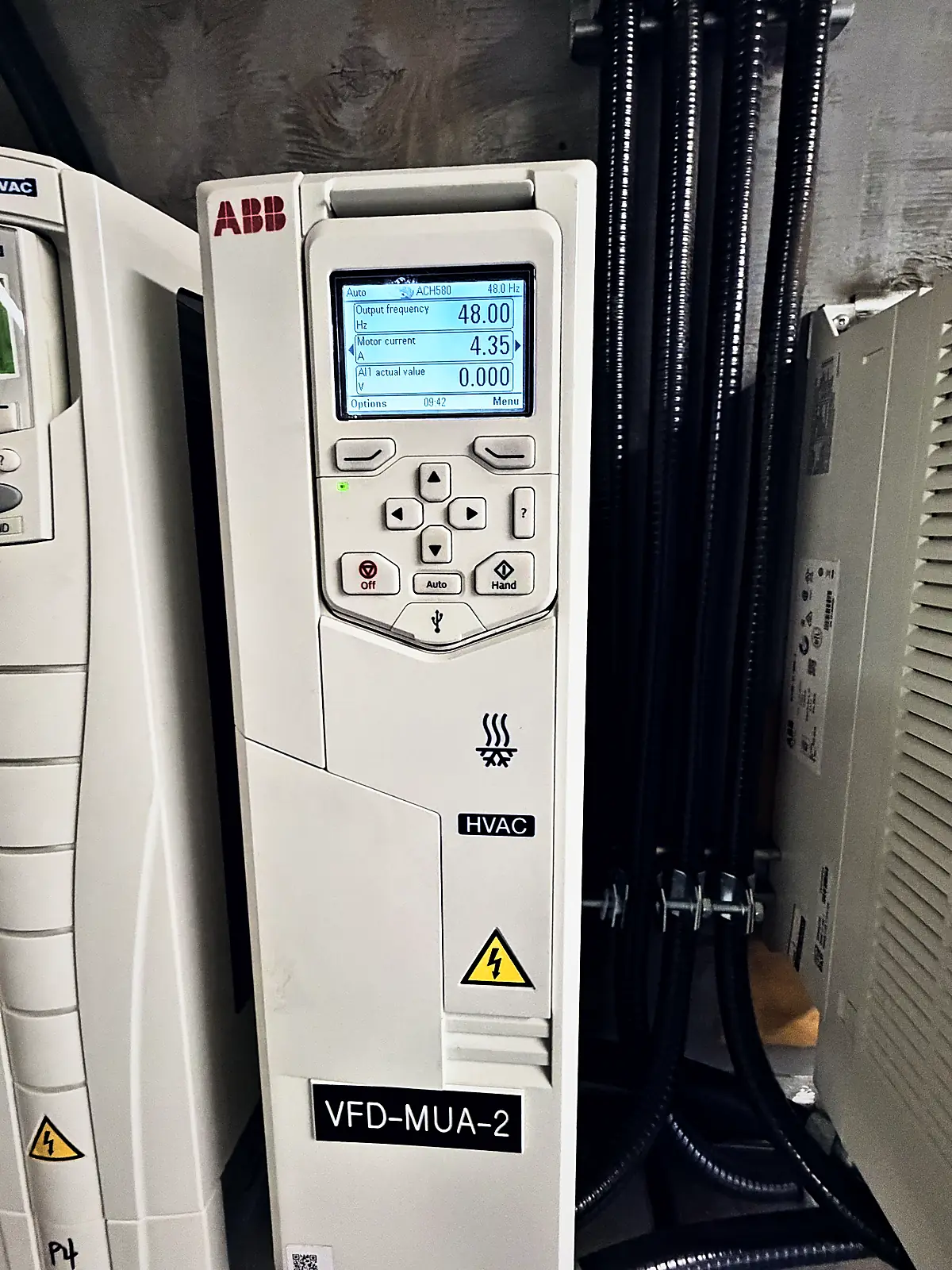
Drive for a make-up air unitKelvin job photo
Drive for a make-up air unitSpeed control for the fresh-air fan
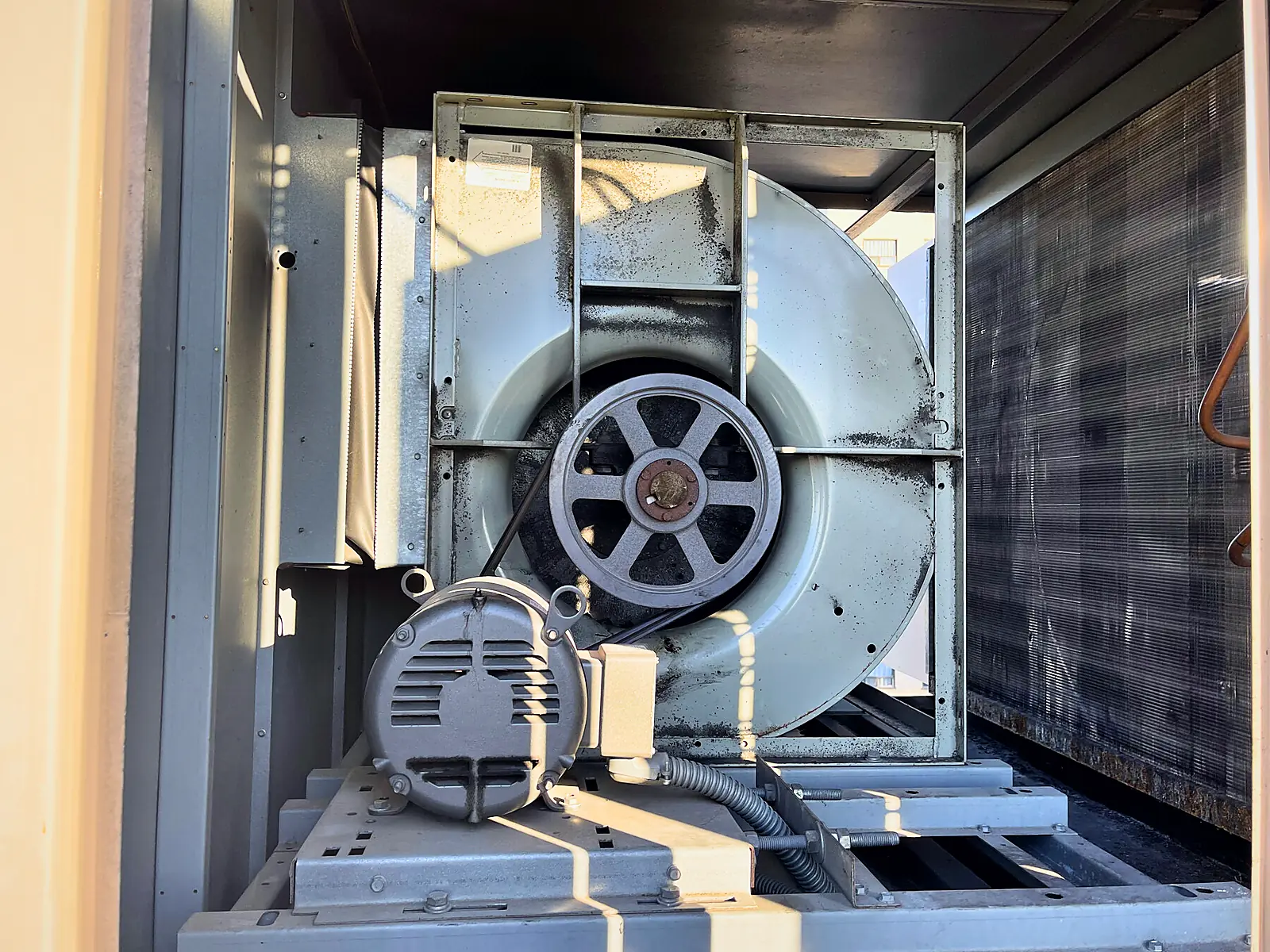
Blower and motorKelvin job photo
Blower and motorVentilation fan section
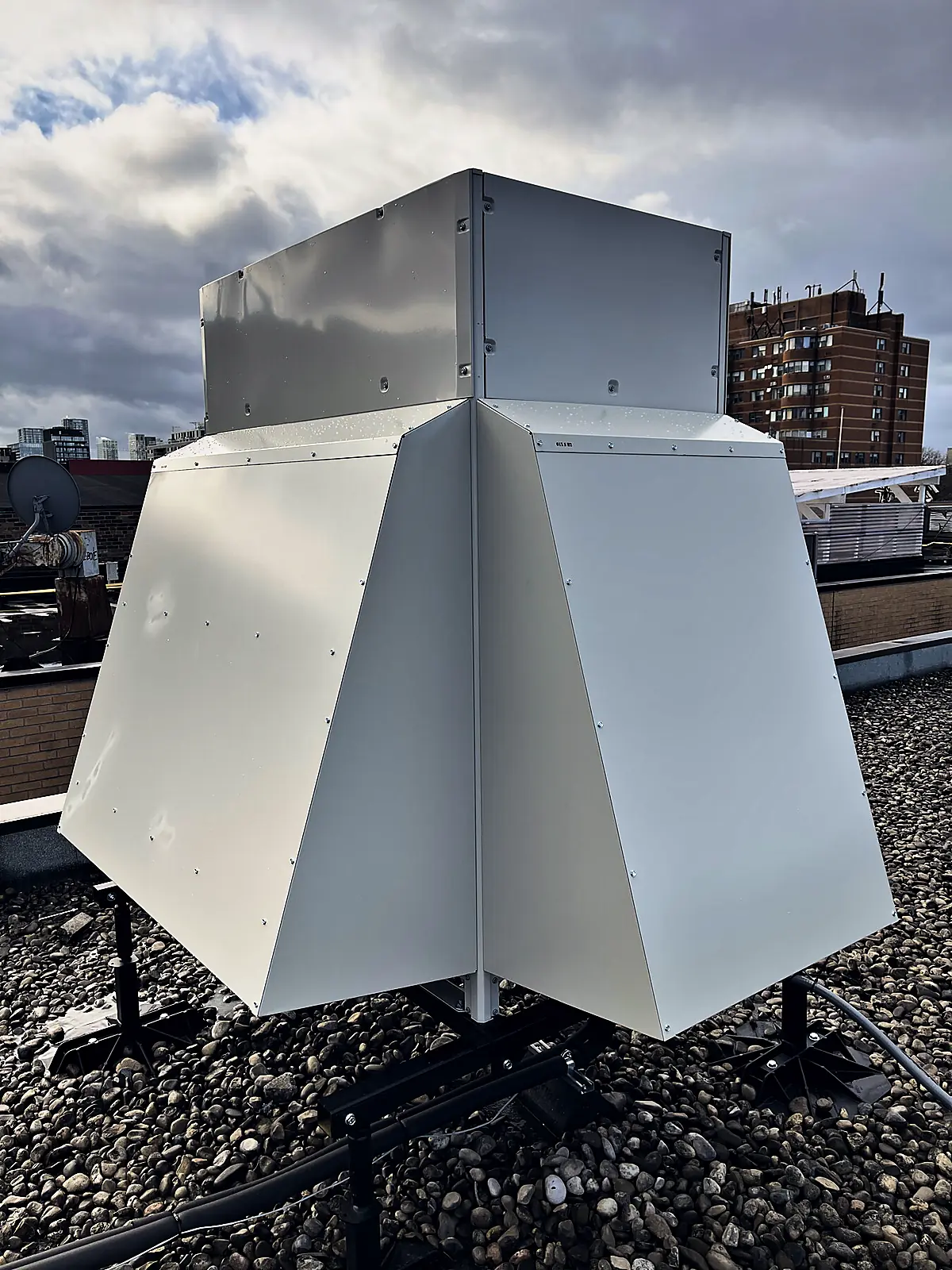
Sheet-metal weather hood on a rooftop standKelvin job photo
Sheet-metal weather hood on a rooftop standRooftop ventilation equipment

Photos from Kelvin Mechanical jobs in the GTA and nearby Ontario.

Good to know

Make-up air problems, by what the room tells you

Doors that pull shut or whistle

A negative building draws air through every gap. Heavy exit doors, whistling at the frame and drafts at the entrance all point to exhaust running without enough supply.

Cold air in the work area

Low discharge temperature can come from a failed gas valve, a tripped high limit, a dirty burner or a controller set too low. Direct-fired and indirect-fired units have different checks.

Burner lockouts and nuisance trips

Flame sensors, pressure switches and airflow proving switches often fail or drift. They are tested before parts are changed, because a blocked filter or bad intake damper can cause the same trip.

Filters loading quickly

Kitchens and dusty shops load filters fast. A restricted filter lowers airflow, strains the blower and upsets the balance, so filter checks sit at the front of every visit.

Install, repair, maintain

01

Installation: sized to the exhaust it replaces

New and replacement units are matched to the building's exhaust airflow and heat needs. Start-up includes burner, airflow, interlock and balance checks.

02

Repair: burner, blower, controls and dampers

We trace lockouts, low discharge temperature and airflow faults to the failed component before parts are changed. Written options are provided, including replacement for aging units.

03

Maintenance: filters and burners on a schedule

Planned visits keep filters, belts, burners and intake screens in check. Interlocks are retested so a failed switch does not go unnoticed.

Gas work and direct-fired conditions

Gas connections are made by licensed gas-fitting professionals, with permits and inspections where required. Direct-fired units release combustion products into the supply air, so they are only suited to certain applications and are subject to code and manufacturer limits that we review before quoting.

What should a make-up air start-up record include?

A start-up record is the baseline for every later visit. Without it, nobody knows whether a reading today is normal or a sign of trouble. It should be written on the day, signed off by the person who did the work and kept with the building file.

For a make-up air unit the record covers the burner and gas train, the airflow, the discharge temperature setting and the interlock with the exhaust fan or hood. It also notes the filter size and anything unusual about the intake or the room being served.

Owners and property managers can use the record when a tenant changes, when a unit is replaced or when a service company changes. It turns a vague history into facts that the next person can read.

  • Gas supply pressure and manifold pressure read at the unit under load
  • Burner ignition sequence and flame signal, with high-limit operation tested
  • Airflow measured against the exhaust the unit replaces
  • Discharge air temperature setpoint and the controller settings used
  • Interlock test results: exhaust on, exhaust off and each fan alone
  • Filter size, belt size and the date of the next suggested check

Help centre

Questions about Make-Up Air Units

What does a make-up air unit actually do?

It brings tempered outdoor air into a building to replace air that exhaust fans and hoods remove. Without it, the building runs under negative pressure, doors are hard to open, drafts increase and hoods can capture poorly.

Should I choose direct-fired or indirect-fired?

It depends on the space, the exhaust load and the code conditions. An indirect-fired unit keeps combustion gases separate and vents them outside, while a direct-fired unit mixes them with the supply air. We explain the trade-offs for your building before quoting.

Why must the MUA be interlocked with the exhaust fan?

If the exhaust runs without make-up air, the building goes negative and the hood can lose capture. If make-up air runs without exhaust, the space can be over-pressurized and heat is wasted. An interlock keeps the two in step.

How often should MUA filters be changed?

It depends on the environment. A grease-laden kitchen or dusty shop loads filters faster than an office. We check filters at every visit and set a change schedule from what we find.

Can you balance a make-up air unit you did not install?

Usually, yes. We measure airflow, test the interlocks and adjust within the unit's limits. For a kitchen setting, see how this fits with kitchen ventilation support.

Is a make-up air unit required in Ontario?

It depends on the exhaust equipment, the building design and the code that applies. Large exhaust systems, such as commercial cooking hoods, are normally designed with replacement air. We ask for hood labels, equipment lists and drawings where they exist, then confirm what the building needs before we quote.

Why does a make-up air unit need heat in winter?

Unheated outdoor air would chill the space, drop the room temperature and cause cold drafts. A make-up air unit tempers the incoming air to a set discharge temperature. In an Ontario winter that heating load is large, so burner, gas valve, high-limit and controller checks matter before the cold arrives.

What should I check when my make-up air unit stops working?

Check that the disconnect is on, the breaker has not tripped, the exhaust switch or interlock is in the right position and the display shows no obvious fault. Look for snow or debris at the intake if you can see it from the ground. If you smell gas, leave the building and call 911 or the gas utility. Otherwise call +1 905-407-7353.

How do I know if my building is under negative pressure?

Common signs are doors that are hard to open, whistling at door frames, cold drafts, kitchen odours drifting where they should not and gas appliances that draft poorly. An airflow and pressure check confirms it. If a carbon monoxide alarm sounds, leave the building and call 911. Otherwise, request a balance check.

Does a make-up air unit need a permit in Ontario?

Often there is a gas permit, and sometimes electrical, mechanical or building permits depending on the work. A direct-fired unit adds code conditions. What applies depends on the municipality and the scope. Rules differ by municipality and change, so we confirm the steps in the written scope before work starts.

Can one make-up air unit serve both a kitchen and a dining room?

It can, but the air has to go where it is needed. The aim is a kitchen that sits slightly negative to the dining room so odours move toward the hood. Supply points, diffusers and the balance between the hoods and the unit decide that. It is a design question, so we review the layout before recommending a setup.

How often should make-up air intake screens and hoods be cleaned?

Check them at least each season, and after storms, leaf fall or construction. Snow, leaves, seeds and dust restrict airflow and strain the blower. The right rhythm depends on the site. We look at the intake at every visit and note its condition in the service note.

Why does my make-up air unit shut off and restart on its own?

Cycling can come from a tripped high limit, a dirty filter, a failing airflow switch, an unstable flame signal or a controller set too tight. Repeated lockouts are a sign to stop resetting the unit and book a visit. We test each safety before changing parts. Call +1 905-407-7353 with the display code.

Where we do this work

Make-Up Air Units in Toronto, the GTA and Hamilton

Toronto Mississauga Brampton Vaughan Markham Oakville Burlington Hamilton All service areas

Quote and booking

Request: Make-Up Air Units

Share a few details and we will follow up. A written quote comes after a site review. There is no online checkout.

  • City and service type help us route your request
  • Urgency and property details let us prepare properly
  • Optional equipment photos speed up repairs and replacements

Prefer to talk? +1 905-407-7353

Gas smell or carbon monoxide alarm? Leave the building and call 911 first. Do not use this form.