
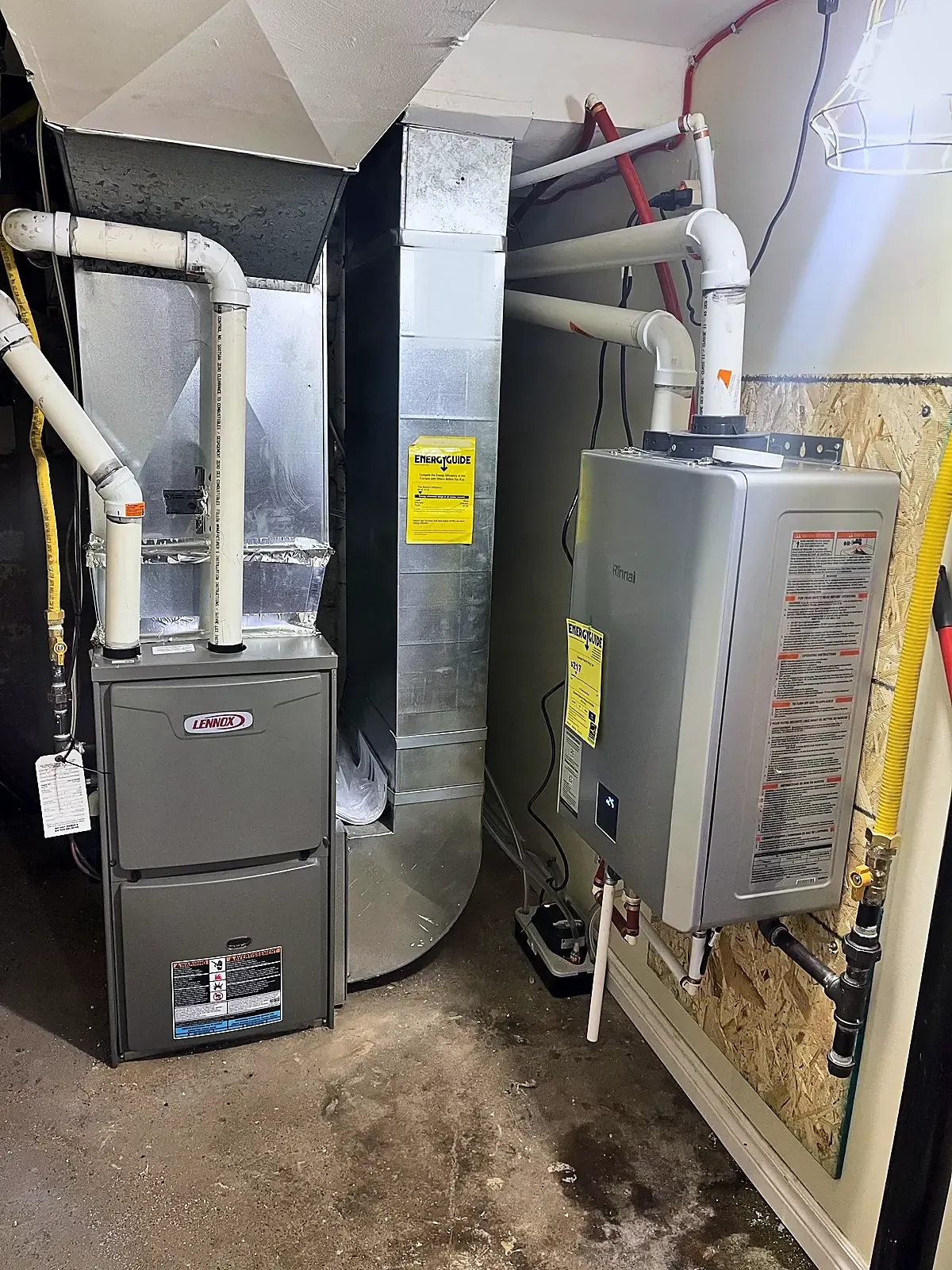
Safety first
- Gas smell: leave the house without touching switches and without using a phone inside, then call your gas utility's emergency line or 911 from outside. Enbridge Gas serves many Ontario homes; the number is on your bill.
- CO alarm: get everyone out, including pets, and call 911 from outside. Stay out until responders say it is safe.
- Never remove burner or gas valve covers, reset a flame rollout switch or bypass any safety switch. Those switches stop the furnace on purpose.
What short cycling looks like
A healthy furnace runs long enough to warm the house, then rests; a few starts an hour in cold weather is not a fault. Short cycling is a pattern of very short runs, and the exact pattern is a strong clue.
| What you notice | What it often points to |
|---|---|
| Burners light, then go out a few seconds later, and the furnace retries | Flame sensing or ignition, sometimes gas supply |
| Runs a few minutes, burners stop, blower keeps going, house still cool | Overheating limit from poor airflow: filter, registers, blower |
| Inducer fan starts and stops with no ignition, again and again | Pressure switch, blocked venting or a condensate drain problem |
| House warms fast, then cools fast, with noticeable swings | An oversized furnace or a thermostat in a poor location |
| Started right after a snowfall or a very cold night | Snow, ice or frost on the outside intake or exhaust pipes |
Safe checks you can do
Go through these in order. Before you change anything, time a few cycles for half an hour and write down how long each run lasts.
- Filter. A clogged filter is the most common cause. The furnace overheats, the limit switch cuts the burners, it cools and starts again. Replace it with the right size, arrow toward the furnace.
- Registers and returns. Open supply registers and clear return grilles. Closing several registers raises pressure in the ducts and can trigger the same overheating cycle.
- Thermostat location. A thermostat near a supply register, in sun, by a kitchen, lamp or TV, or in a draft reads the wrong temperature and cycles the furnace too often.
- Thermostat settings. Replace batteries and check the cycle or temperature-swing setting on a smart or programmable thermostat.
- Outside intake and exhaust pipes. On high-efficiency furnaces, look at the two plastic pipes on the outside wall. Snow, drifting ice and frost buildup on the exhaust during a cold snap are common in Ontario. Clear them gently by hand, without striking the pipes, and keep the snowbank below them.
- Condensate drain. Water around the furnace or a full condensate pump can trip the pressure switch. Note it and wipe it up.
- Error light. Count the flashes on the control board and match them to the label inside the panel door. Codes vary by brand.
When the furnace is simply too big
An oversized furnace satisfies the thermostat quickly and shuts off before the rest of the house catches up. The result is uneven rooms, temperature swings and extra wear on igniters, relays and motors. Homes upgraded with insulation and windows since the furnace went in are prone to it.
Thermostat cycle settings can soften the effect, and a two-stage or modulating furnace handles mild weather more gently. The lasting fix is correct sizing from a load calculation when the furnace is next replaced. Our furnace replacement guide explains how that works.
Likely causes and how urgent they are
Thermostat location or settings: low urgency
Batteries, cycle settings or a heat source nearby. Sometimes the thermostat needs moving.
Dirty filter and overheating: moderate
Replace the filter. If the limit keeps tripping with a clean filter, have the airflow and blower checked.
Blocked intake or exhaust: urgent in cold weather
The furnace may stop heating entirely, and a venting fault is a safety issue. Clear by hand; call if it keeps happening.
Dirty flame sensor or ignition fault: book a repair
Burners light and drop out after a few seconds. The parts are beside the gas valve, so leave them to a technician.
Drain or pressure switch problem: book a repair
The inducer runs, the furnace never lights, and it repeats. Internal drain and switch work needs a technician.
Oversized furnace: plan ahead
Not an emergency, but it costs comfort and adds wear. Address it at replacement.
Rollout, scorch marks or burning smell: stop and call
Turn the furnace off at the thermostat and power switch and call. If a CO alarm sounds, leave and call 911 from outside.
When to call, and when it becomes urgent
Book a visit if short cycling continues after a new filter and a thermostat check, even if the house still feels warm. Constant starts wear out parts that would otherwise last. Our furnace repair page explains what the visit covers, and a yearly furnace maintenance visit includes cleaning the flame sensor and checking the drain and venting.
It becomes urgent when the furnace locks out and the house is cooling in cold weather, when ice keeps re-forming on the vent pipes, or when you see scorch marks, smell burning or hear a CO alarm. Emergency service is subject to availability. The cost depends on the cause, and a quote follows a diagnosis. A diagnostic fee may apply; it is confirmed at booking.
What to tell us when you call
- The model and serial number from the nameplate inside the lower door or on the side of the cabinet
- How long each run lasts and how often it starts, from your timed notes
- The error light pattern and whether the burners stay lit
- Where the thermostat is and what is near it
- What you already tried: filter, registers, outside pipes, settings
- Photos of the nameplate, the thermostat location and the outside pipes