
Repair and upkeep
Softener, Reverse Osmosis and Filter Service for Ontario Homes
Repair and maintenance for water softeners, reverse osmosis systems and filtration: brine tank care, resin, valves, filters, membranes, leaks, low pressure and taste or odour complaints.
- CoversSofteners, RO systems, filters
- ChecksLeaks, pressure, taste, odour
- Diagnostic feeMay apply; confirmed at booking
 Serving the GTA and nearby Ontario
Scope
Softener, RO and filter jobs we handle
- Salt and brine tank cleaning, including salt bridges and sludge at the bottom of the tank
- Resin condition checks and replacement discussion for older softeners
- Control valve, injector and drain line checks when a softener will not regenerate
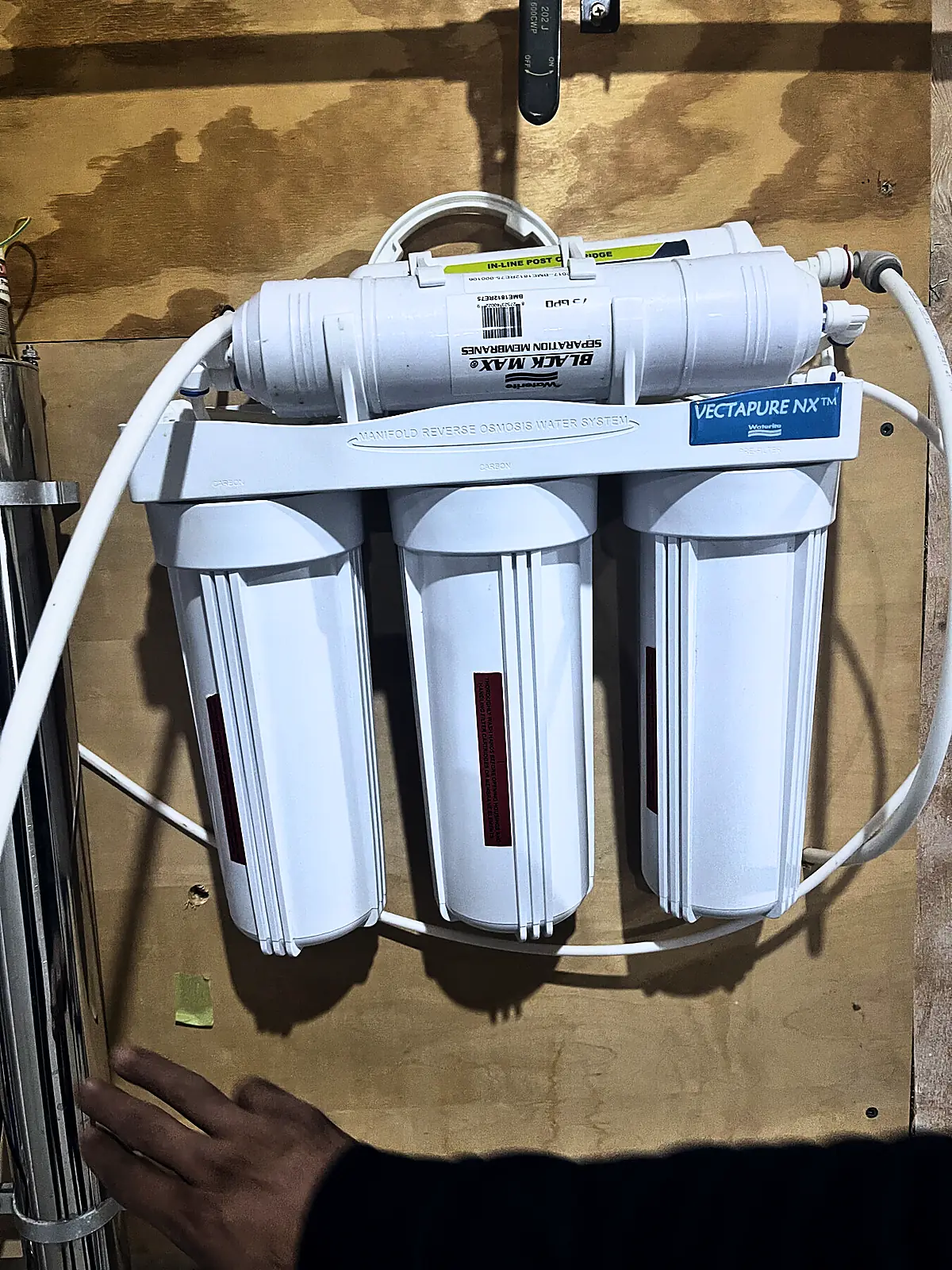
- Filter cartridge replacement on whole-home and under-sink systems
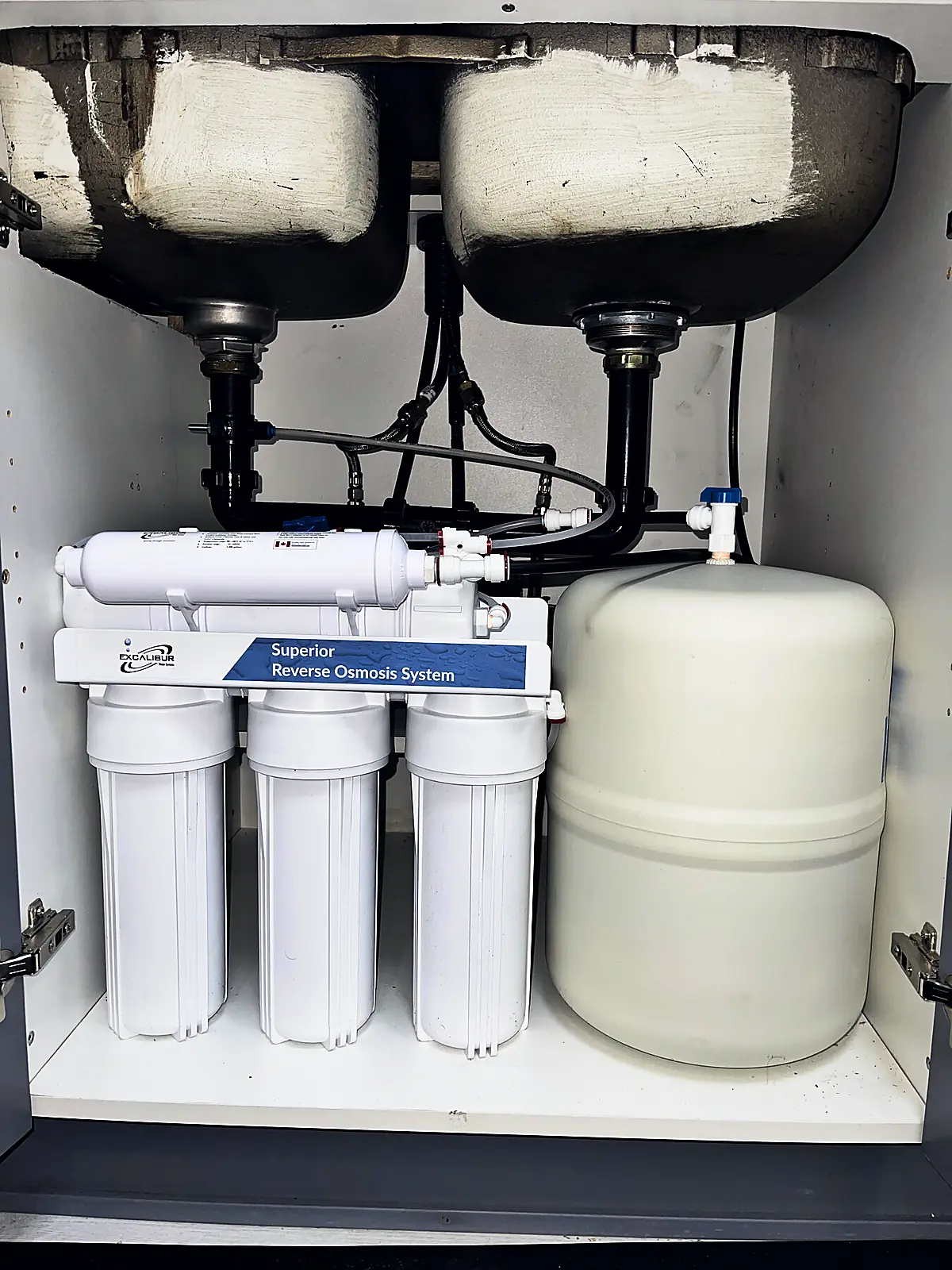
- RO pre-filter, carbon and membrane replacement, with a TDS check after service
- Leak tracing at fittings, housings, tank connections and faucet lines
- Low water pressure traced to clogged cartridges, valves or media
- Retesting hardness and TDS after service to confirm the result
Process
How a water treatment service call works
Every job starts with a conversation and a look at the equipment. You see the options in plain language before anything is booked.
- 1
Describe the symptom
Tell us what changed: hard water again, an odd taste, slow flow, noise at the drain or a puddle. The sooner we know what the equipment is doing, the quicker we find the cause.
- 2
Test the water
We retest hardness or TDS to see whether the system is still doing its job. A result tells us whether to look at the resin, the valve, the membrane or the supply.
- 3
Fix or replace parts
We clean, repair or replace what is faulty and explain options for anything near the end of its life. Replacement parts are matched to your model.
- 4
Retest and set a schedule
We confirm operation, recheck the water and leave a replacement schedule. If a new system makes more sense, see softener installation or RO installation.
In pictures
What this work looks like
 Kelvin job photo
 Kelvin job photo
 Kelvin job photo
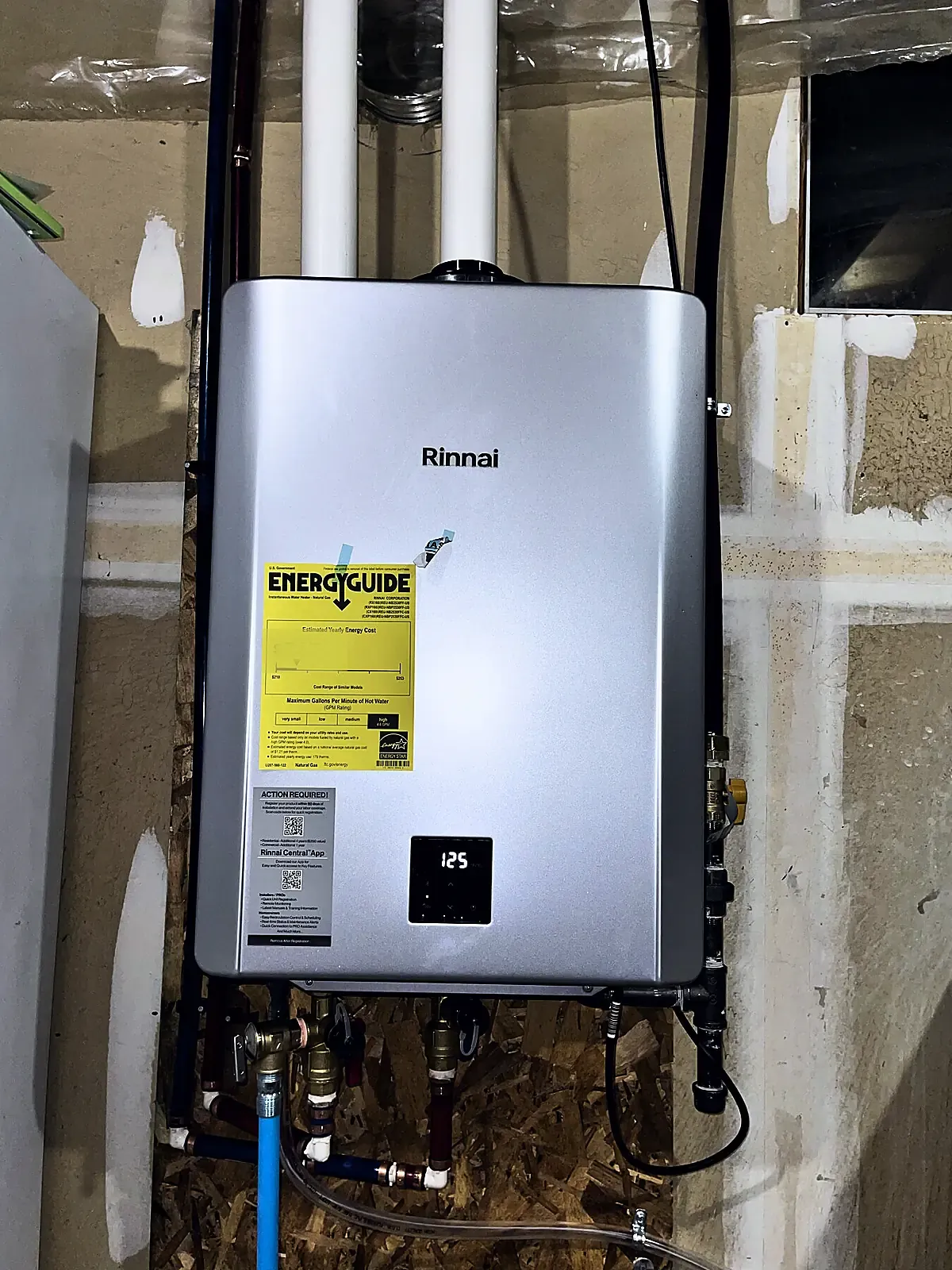
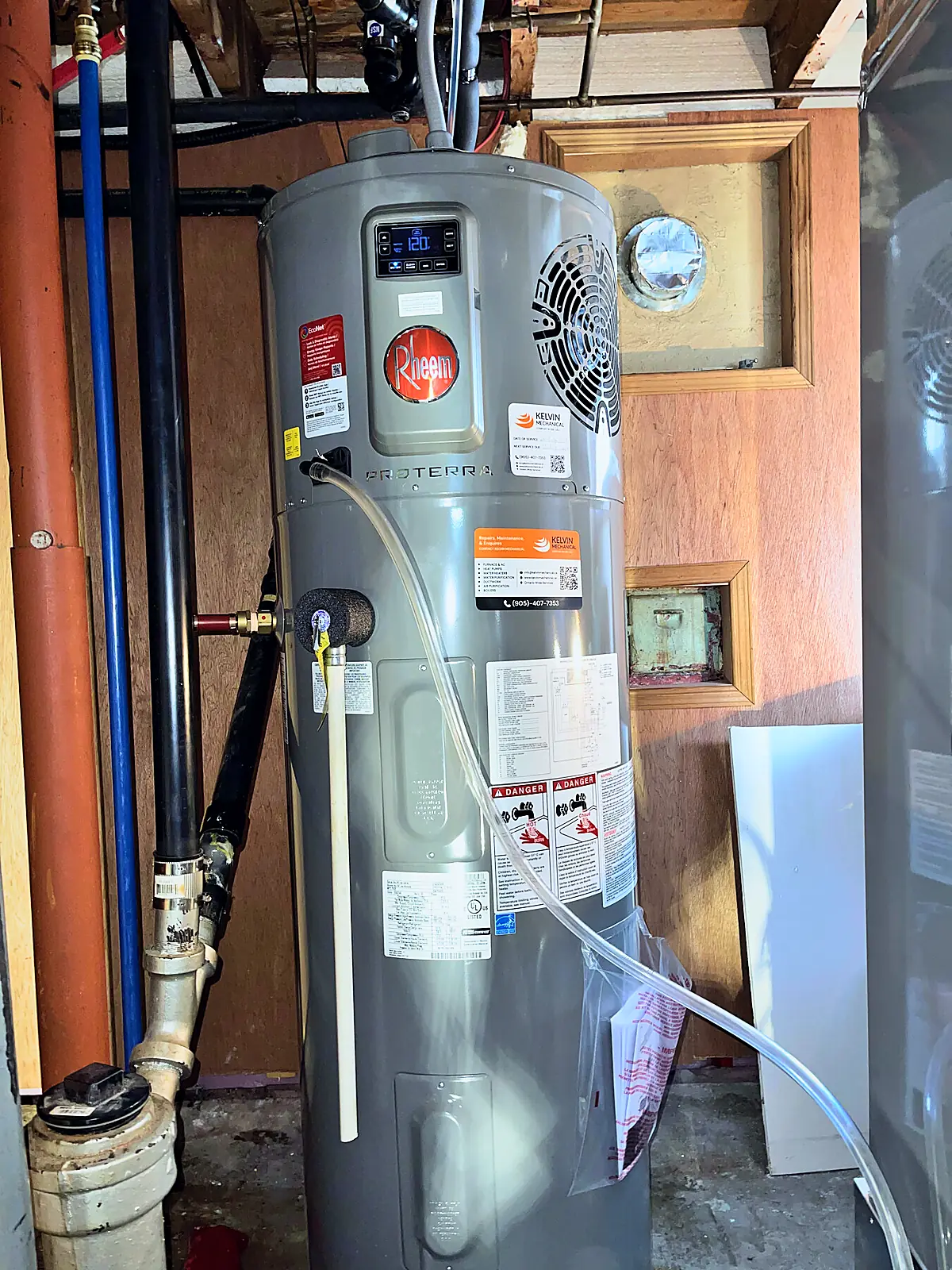
Photos from Kelvin Mechanical jobs in the GTA and nearby Ontario.
Good to know
Replacement intervals and what drives them
Filters and cartridges
Intervals depend on the cartridge, your water and how much you use. Sediment, high iron or chlorine can shorten them. We note the install date and suggest a starting interval.
RO membranes
A membrane life depends on the feed water, pre-filter care and use. A rising TDS reading at the faucet is a common prompt to replace it.
Softener resin and valves
Resin wears and can be fouled by iron or chlorine, and valves, seals and injectors wear too. We test before suggesting replacement, because salt bridges and settings are common, simpler causes.
Taste or smell complaints
An odd taste or smell can come from the treatment equipment, the plumbing, the water heater or the supply itself. We check the treatment equipment first. If the cause looks like the source water or something outside our scope, we will say so.
Ontario notes
Ontario notes for water treatment upkeep
Seasons affect treatment equipment
Cold incoming water in winter slows RO production, and heating season brings hard-water scale to water heaters. A visit in fall or spring fits around the other seasonal checks. Ask us for a schedule matched to your equipment.
Water main work can stir up sediment
Municipal flushing and water main work can send sediment into your pipes and clog cartridges sooner than expected. If your filters clog faster after work on the street, tell us. We note the pattern when we replace them.
Well systems need their own routine
Private wells in Ontario may need regular testing, sediment filters and iron or sulphur treatment. Your local public health unit explains testing for bacteria. We service the treatment equipment and retest hardness or TDS, and we tell you when something else needs attention.
Older equipment and parts availability
Many Ontario homes have softeners and filters that are many years old. Parts for some older models are hard to find. We diagnose first and tell you honestly whether repair is practical or replacement makes more sense. See softener installation.
Equipment we install and service

Brand names and logos belong to their owners. Availability depends on the product line and region.
Help centre
Questions about Water Treatment Service
Why is my water hard again after the softener was working?
Common causes include an empty salt tank, a salt bridge, a bypass left open, wrong settings or a valve fault. We check each, then retest the water.
How often should the brine tank be cleaned?
It depends on the salt, the water and how clean the tank looks. Some owners clean it every year or two. We can do it during a service visit.
My RO faucet is slow or the water tastes off. What should I check?
Old filters, a tired membrane, low tank pressure or a kinked line are possible causes. A TDS reading helps narrow it down. We test and replace what is due.
Do you service water treatment systems you did not install?
In many cases yes, depending on the make, model and parts availability. We start with a diagnosis. A diagnostic fee may apply; confirmed at booking.
Can leaks around a water treatment unit be repaired?
Yes, minor leaks at fittings, housings and connections are in our scope. Drains, sewers and plumbing vents are not. See plumbing support for the full scope.
How do I know if my water softener is working?
Test the hardness at a softened tap and compare it with the result before the softener. Fewer spots on glass and better lather also help. If hardness is back, check the salt, the bypass valve and the controller settings, or book a service visit.
What is a salt bridge in a water softener?
It is a hard crust that forms in the brine tank and leaves an air gap under it, so the unit cannot make brine and stops softening. We break it up, clean the tank and look at why it formed, for example humidity, salt type or a high fill level.
Why is my softener using so much salt?
Common reasons include a high hardness setting, a leaking valve, a salt bridge that has cleared and refilled, or hardness that has risen. We check the settings, valve and drain and retest the water to confirm how the unit is working.
Do filter cartridges need replacing if the water looks clear?
Yes. A cartridge can lose capacity before you see a change in appearance, and a clogged one reduces flow. Replace on the manufacturer's schedule or sooner if pressure drops or taste changes. We note the date and give you a schedule matched to your water.
Why does my water smell even with a softener?
A softener treats hardness, not odour or chlorine taste. A smell can come from the supply, the plumbing, the water heater or well water carrying sulphur. A carbon filter or other treatment may be needed. We check the equipment first and tell you if the cause lies elsewhere.
How often should softener resin be replaced?
Not on a fixed calendar. Resin wears and can be fouled by iron or chlorine. We test before suggesting replacement, because salt bridges, settings and valves are simpler and more common causes. If resin is tired, we explain the options.
How long does a reverse osmosis membrane last?
It depends on the incoming water, pre-filter care and how much you use. A rising TDS reading at the faucet is a common prompt to replace it. We test, replace what is due and leave a schedule. See RO installation.
Where we do this work
Water Treatment Service in Toronto, the GTA and Hamilton
Toronto Mississauga Brampton Vaughan Markham Oakville Burlington Hamilton All service areas
Quote and booking
Request: Water Treatment Service
Share a few details and we will follow up. A written quote comes after a site review. There is no online checkout.
- City and service type help us route your request
- Urgency and property details let us prepare properly
- Optional equipment photos speed up repairs and replacements
Prefer to talk? +1 905-407-7353
Gas smell or carbon monoxide alarm? Leave the building and call 911 first. Do not use this form.